This image of our galaxy, the Milky Way, was taken with NASA's Cosmic Background Explorer's (COBE) Diffuse Infrared Background Experiment (DIRBE). This never-before-seen view shows the Milky Way from an edge-on perspective with the galactic north pole at the top, the south pole at the bottom and the galactic center at the center. The picture combines images obtained at several near-infrared wavelengths. Stars within our galaxy are the dominant source of light at these wavelengths. Even though our solar system is part of the Milky Way, the view looks distant because most of the light comes from the population of stars that are closer to the galactic center than our own Sun. (Courtesy NASA)
Like early explorers mapping the continents of our globe, astronomers are busy charting the spiral structure of our galaxy, the Milky Way. Using infrared images from NASA's Spitzer Space Telescope, scientists have discovered that the Milky Way's elegant spiral structure is dominated by just two arms wrapping off the ends of a central bar of stars. Previously, our galaxy was thought to possess four major arms.
This artist's concept illustrates the new view of the Milky Way, along with other findings presented at the 212th American Astronomical Society meeting in St. Louis, Mo. The galaxy's two major arms (Scutum-Centaurus and Perseus) can be seen attached to the ends of a thick central bar, while the two now-demoted minor arms (Norma and Sagittarius) are less distinct and located between the major arms. The major arms consist of the highest densities of both young and old stars; the minor arms are primarily filled with gas and pockets of star-forming activity.
The artist's concept also includes a new spiral arm, called the "Far-3 kiloparsec arm," discovered via a radio-telescope survey of gas in the Milky Way. This arm is shorter than the two major arms and lies along the bar of the galaxy.
Our sun lies near a small, partial arm called the Orion Arm, or Orion Spur, located between the Sagittarius and Perseus arms. (Courtesy NASA/JPL-Caltech)
During the past three decades a myriad of space explorers have escaped the confines of planet Earth and have set out to discover our planetary neighbors. This picture shows the Sun and all nine planets of the solar system as seen by the space explorers. Starting at the top-left corner is the Sun followed by the planets Mercury, Venus, Earth, Mars, Jupiter, Saturn, Uranus, Neptune, and Pluto. (Copyright 1998 by Calvin J. Hamilton)
সোমবার, ১৯ অক্টোবর, ২০০৯

The solar wind can be measured by spacecraft,


Nearly all the solar system by volume appears to be an empty void. Far from being nothingness, this vacuum of "space" comprises the interplanetary medium. It includes various forms of energy and at least two material components: interplanetary dust and interplanetary gas. Interplanetary dust consists of microscopic solid particles. Interplanetary gas is a tenuous flow of gas and charged particles, mostly protons and electrons -- plasma -- which stream from the Sun, called the solar wind.
The solar wind can be measured by spacecraft, and it has a large effect on comet tails. It also has a measurable effect on the motion of spacecraft. The speed of the solar wind is about 400 kilometers (250 miles) per second in the vicinity of Earth's orbit. The point at which the solar wind meets the interstellar medium, which is the "solar" wind from other stars, is called the heliopause. It is a boundary theorized to be roughly circular or teardrop-shaped, marking the edge of the Sun's influence perhaps 100 AU from the Sun. The space within the boundary of the heliopause, containing the Sun and solar system, is referred to as the heliosphere.
The solar magnetic field extends outward into interplanetary space; it can be measured on Earth and by spacecraft. The solar magnetic field is the dominating magnetic field throughout the interplanetary regions of the solar system, except in the immediate environment of planets which have their own magnetic fields.
The solar magnetic field extends outward into interplanetary space; it can be measured on Earth and by spacecraft. The solar magnetic field is the dominating magnetic field throughout the interplanetary regions of the solar system, except in the immediate environment of planets which have their own magnetic fields.
The Jovian PlanetsJupiter, Saturn, Uranus, and Neptune are known as the Jovian (Jupiter-like) planets, because they are all gigantic compared with Earth, and they have a gaseous nature like Jupiter's. The Jovian planets are also referred to as the gas giants, although some or all of them might have small solid cores. The following diagram shows the approximate distance of the Jovian planets to the Sun
Interplanetary Space


 Views of the Solar System presents a vivid multimedia adventure unfolding the splendor of the Sun, planets, moons, comets, asteroids, and more. Discover the latest scientific information, or study the history of space exploration, rocketry, early astronauts, space missions, spacecraft through a vast archive of photographs, scientific facts, text, graphics and videos. Views of the Solar System offers enhanced exploration and educational enjoyment of the solar system and beyond.

Views of the Solar System presents a vivid multimedia adventure unfolding the splendor of the Sun, planets, moons, comets, asteroids, and more. Discover the latest scientific information, or study the history of space exploration, rocketry, early astronauts, space missions, spacecraft through a vast archive of photographs, scientific facts, text, graphics and videos. Views of the Solar System offers enhanced exploration and educational enjoyment of the solar system and beyond.
The Solar System[a] consists of the Sun

The Solar System[a] consists of the Sun and those celestial objects bound to it by gravity, all of which formed from the collapse of a giant molecular cloud approximately 4.6 billion years ago. The Sun's retinue of objects circle it in a nearly flat disc called the ecliptic plane, most of the mass of which is contained within eight relatively solitary planets whose orbits are almost circular. The four smaller inner planets; Mercury, Venus, Earth and Mars, also called the terrestrial planets, are primarily composed of rock and metal. The four outer planets, Jupiter, Saturn, Uranus and Neptune, also called the gas giants, are composed largely of hydrogen and helium and are far more massive than the terrestrials.
The Solar System is also home to two main belts of small bodies. The asteroid belt, which lies between Mars and Jupiter, is similar to the terrestrial planets as it is composed mainly of rock and metal. The Kuiper belt (and its subpopulation, the scattered disc), which lies beyond Neptune's orbit, is composed mostly of ices such as water, ammonia and methane. Within these belts, five individual objects, Ceres, Pluto, Haumea, Makemake and Eris, are recognised to be large enough to have been rounded by their own gravity, and are thus termed dwarf planets. The hypothetical Oort cloud, which acts as the source for long-period comets, may also exist at a distance roughly a thousand times beyond these regions.
Within the Solar System, various populations of small bodies, such as comets, centaurs and interplanetary dust, freely travel between these regions, while the solar wind, a flow of plasma from the Sun, creates a bubble in the interstellar medium known as the heliosphere, which extends out to the edge of the scattered disc.
Six of the planets and three of the dwarf planets are orbited by natural satellites, usually termed "moons" after Earth's Moon. Each of the outer planets is encircled by planetary rings of dust and other particles.
The Solar System is also home to two main belts of small bodies. The asteroid belt, which lies between Mars and Jupiter, is similar to the terrestrial planets as it is composed mainly of rock and metal. The Kuiper belt (and its subpopulation, the scattered disc), which lies beyond Neptune's orbit, is composed mostly of ices such as water, ammonia and methane. Within these belts, five individual objects, Ceres, Pluto, Haumea, Makemake and Eris, are recognised to be large enough to have been rounded by their own gravity, and are thus termed dwarf planets. The hypothetical Oort cloud, which acts as the source for long-period comets, may also exist at a distance roughly a thousand times beyond these regions.
Within the Solar System, various populations of small bodies, such as comets, centaurs and interplanetary dust, freely travel between these regions, while the solar wind, a flow of plasma from the Sun, creates a bubble in the interstellar medium known as the heliosphere, which extends out to the edge of the scattered disc.
Six of the planets and three of the dwarf planets are orbited by natural satellites, usually termed "moons" after Earth's Moon. Each of the outer planets is encircled by planetary rings of dust and other particles.
Solar system


This website is an overview of the history, mythology, and current scientific knowledge of the planets, moons and other objects in our solar system. Each page has my text and NASA's images, some have sounds and movies, most provide references to additional related information.
All eight planets can be seen with a small telescope; or binoculars. And large observatories continue to provide much useful information. But the possibility of getting up close with interplanetary spacecraft has revolutionized planetary science. Very little of this site would have been possible without the space program.
Nevertheless, there's a lot that you can see with very modest equipment or even with just your own eyes. Past generations of people found beauty and a sense of wonder contemplating the night sky. Today's scientific knowledge further enhances and deepens that experience. And you can share in it by simply going out in the evening and looking up.
. . . . . . . . . . . . . .
The IAU has changed the definition of "planet" so that Pluto no longer qualifies. There are now officially only eight planets in our solar system. Of course this change in terminology does not affect what's actually out there. In the end, it's not very important how we classify the various objects in our solar system. What is important is to learn about their physical nature and their histories.

Solar system
Solar system Solar system Solar system Solar system
বুধবার, ১৪ অক্টোবর, ২০০৯
The other day (11.06.07) I was listening to a Live Program on ETV
The other day (11.06.07) I was listening to a Live Program on ETV. The guests were two Election Commissioner –one is Mr. Sohul Hussain and the other is Brig. General (Retd) Shakhawat Hussain.
Few journalists were also allowed to ask question directly to them and there were provision for the public to ask questions directly to the guests. The whole program was moderated by Samina Jaman, a well known media producer.
One interesting question which touched me is why Election Commission is thinking of preparing National ID card rather than Voter ID card for which they are dictated by the constitution. The question was raised by more than one journalists and when mediator connected Justice Naimuddin(once an election Commissioner) he also put forward the same question to the guests.
The fact which came out is that the Election Commission is primarily working for voter list and Voter ID card but data that is collected by the process could be utilized to produce the national ID card. Virtually they are preparing a database which in future will be taken up by the other ministries or other organizations and will be utilized to serve many other purposes. So a national ID card would be produced as a bi-product of the database preparation for the election.
It is said that finger prints of the voters would be taken by ‘bio-matrix’ system and be shown along with the photo in the voter ID card.
This ID card will not only be used in casting votes but may be used in many other purposes-such as in opening bank accounts, in getting passports, in getting license from the trade bodies etc.
As the voter ID card is for the voters who are above the age of 18 years, so initiative will be taken in future by other organizations to complete the ID card for all.
We appreciate the idea. Bangladesh is becoming more digital and more scientific.
Bdoza
Post script:
29 June 2007
Recently I have read an Interview of the Chairperson of ‘Bela’ , an NGO in Daily Prothom Alo where she told that EC should better prepare the Voter ID card , not the National ID. She told that it wii not be possible to complete the National ID card by 18 months.
We khow that Experts with whom the EC has consultaed opined that the procedure for both National ID and Voter ID is almost same. It willl take no Extra time and it is possible to complete the work within 18 months of time frame.
People with minimum knowledge on digital technology will not differ with the experts.
3 Dec 2007
Controversy over the Voter and National ID card gradually faded away. Both EC and Government were committed to the decision and gradually different areas of the country are being covered by the ID card program. After completion of the port city, Chittagong voter registration with photography is started at Dhaka.
Chief Election Commissioner is pleased with the progress of the work and hope to complete the task earlier than expected. He also declared that EC will present an election this time that the nation will feel proud of.
The ordinary citizen also became listed as voter and he enjoyed the total process- the Registration worker (school teacher) came to the house and recored the data in a sheet, took the signature and took the impression of the fingers. Then few days later, for photography he and his family had to go the camp equipped with laptop and camera. The data were checked and picture was taken along with digital impression of fingers.
22 January 2008
Yesterday I was listening to an ‘expert’ in an interview who was talking against the recording of the fingerprints by biometrix system. He argues that it is taking extra time to complete the process and finger prints may not be evident in many persons who work hard with their hands.
The ordinary citizen believes that even with the few lapses, fingerprints by the biometrix technology will help in many ways to prevent false voting, to identify criminals, to confirm one’s identity in the matter of disputes, etc.
25 January 2008
Chief Election Commissioner Dr. Shamsul Huda Chowdhury was saying to the journalists that the voter list that they are preparing will be national database, the benefit of which will be felt when all the works will be completed.
26 January 2008
The Election Commission has floated the voter list in the web at www.voterlist.gov.bd for correction by the voters themselves by using their pin numbers. Now the voter list of Dhaka has been given and time allowed for correction is 15 days. The voter list of other areas will be displayed gradually.
18 Feb 2008
The EC has undertaken special drive o f10 days to include the elders, ill and disabled people in the voter list after completion of the normal voter listing in the Dhaka city, which will be gradually extended to the other areas. A relative of a jaundice patient was rather excited when she saw the field personnels of the EC came to the hospital to list her relative in the voter list (a TV channel).
EC also arranged to include the inmates of the jails to be listed in the voter list and it is decided that that voting camp will be stationed in the jails for the inmates.
Hope that EC would be careful not to include the inmates who couldn’t be voter as per law. They may be included in the national database.
4 Mach 2008
EC declared that they have crossed 50% of the voter list by this time and they are 1 month ahead of the schedule.The progress is hailed by the UN representative and others.
8 Mar 08
Government has taken initiative to form a ‘National ID card Registration Body’, first of its kind in Bangladesh to instutionalise the Voter ID and National ID card initiative.
16 March 08
CEC hopes to publish the draft voter list by June 08 which is earlier than the declared roadmap. After June, he hopes to declare the date of national election.
30 Mar 08
5.16 crore (51.6 m) voters, 60% of the total voters, have been registered , another 3 crore will be registered by the end of June 2008, CEC hopes.
25 April 2008‘The ongoing Voter registration process is of international standard’ says a survey funded by UK Department of International Department (DFID)
‘It is going to be a list of quality no less than that of America or England’ said one of the consultant of the survey titled ‘Monitoring voter listing process and focal group research’
10 May 2008One Election Commissionar said yesterday that the voter listing will be completed by June and in October they will able to declare the national election schedule.
20 May 2008
It’s a great day for me. Me and my family got the ID card today. Over the card printed ‘National ID Card’ both in English and Bengali. Then my name, my father’s name and mother’s name, my date of bith -no mistake and then at last my ID no. In the opposite page,my address is written down and an authorised signature of EC and a date of delivery. We have to colect it from a school, a make-shift centre for local EC. But I expected it to be delivered at home.
3 June 2008The Election Commission published full page ad on leading dailies with a big Bangadeshi map in the centre showing the progress of the voter listing in different areas of Bangladesh. It shows that 7 crore of the voters are already listed which covers the 85% of the total voters. EC is expecting to complete the voter list by June and to publish the final complete voter list by October 2008. The Chief Adviser retaliated in a meeting with the business leaders that by December 2008 the election will definitely held.
26 June 2008Daily Star reports ‘whopping success for EC’, 8 crore voters already registered, electronic database ready.
5 July 2008EC informed to contact the server rooms for any correction of Voter ID cards and who missed the earlier chances to enlist as voters.
8 July 2008
Bangladesh Election Commission has ubdated their website. It is now nice and informative http://www.ecs.gov.bd/English/
9 July 2008
The voter listing is completed today with 8 crore 5 thousand enlisted as voters throughout the country.
14 July 2008
Prothom Alo editorial termed the Voter list with photograph and ID card as the milestone development in our history.[PA]
22 July 2008
on successful completion of the voter listing and ID card project a special program has been arranged today in Hotel Raddison in Dhaka where Chief Adviser Dr. Fakhruddin Ali Ahmed will be present.
23 July 2008
Successful completion of voter list is done. CA termed the registration of 80 million voters as the milestone on the road to fair polls [DS]
5th September 2008EC had given 3 days for those
Few journalists were also allowed to ask question directly to them and there were provision for the public to ask questions directly to the guests. The whole program was moderated by Samina Jaman, a well known media producer.
One interesting question which touched me is why Election Commission is thinking of preparing National ID card rather than Voter ID card for which they are dictated by the constitution. The question was raised by more than one journalists and when mediator connected Justice Naimuddin(once an election Commissioner) he also put forward the same question to the guests.
The fact which came out is that the Election Commission is primarily working for voter list and Voter ID card but data that is collected by the process could be utilized to produce the national ID card. Virtually they are preparing a database which in future will be taken up by the other ministries or other organizations and will be utilized to serve many other purposes. So a national ID card would be produced as a bi-product of the database preparation for the election.
It is said that finger prints of the voters would be taken by ‘bio-matrix’ system and be shown along with the photo in the voter ID card.
This ID card will not only be used in casting votes but may be used in many other purposes-such as in opening bank accounts, in getting passports, in getting license from the trade bodies etc.
As the voter ID card is for the voters who are above the age of 18 years, so initiative will be taken in future by other organizations to complete the ID card for all.
We appreciate the idea. Bangladesh is becoming more digital and more scientific.
Bdoza
Post script:
29 June 2007
Recently I have read an Interview of the Chairperson of ‘Bela’ , an NGO in Daily Prothom Alo where she told that EC should better prepare the Voter ID card , not the National ID. She told that it wii not be possible to complete the National ID card by 18 months.
We khow that Experts with whom the EC has consultaed opined that the procedure for both National ID and Voter ID is almost same. It willl take no Extra time and it is possible to complete the work within 18 months of time frame.
People with minimum knowledge on digital technology will not differ with the experts.
3 Dec 2007
Controversy over the Voter and National ID card gradually faded away. Both EC and Government were committed to the decision and gradually different areas of the country are being covered by the ID card program. After completion of the port city, Chittagong voter registration with photography is started at Dhaka.
Chief Election Commissioner is pleased with the progress of the work and hope to complete the task earlier than expected. He also declared that EC will present an election this time that the nation will feel proud of.
The ordinary citizen also became listed as voter and he enjoyed the total process- the Registration worker (school teacher) came to the house and recored the data in a sheet, took the signature and took the impression of the fingers. Then few days later, for photography he and his family had to go the camp equipped with laptop and camera. The data were checked and picture was taken along with digital impression of fingers.
22 January 2008
Yesterday I was listening to an ‘expert’ in an interview who was talking against the recording of the fingerprints by biometrix system. He argues that it is taking extra time to complete the process and finger prints may not be evident in many persons who work hard with their hands.
The ordinary citizen believes that even with the few lapses, fingerprints by the biometrix technology will help in many ways to prevent false voting, to identify criminals, to confirm one’s identity in the matter of disputes, etc.
25 January 2008
Chief Election Commissioner Dr. Shamsul Huda Chowdhury was saying to the journalists that the voter list that they are preparing will be national database, the benefit of which will be felt when all the works will be completed.
26 January 2008
The Election Commission has floated the voter list in the web at www.voterlist.gov.bd for correction by the voters themselves by using their pin numbers. Now the voter list of Dhaka has been given and time allowed for correction is 15 days. The voter list of other areas will be displayed gradually.
18 Feb 2008
The EC has undertaken special drive o f10 days to include the elders, ill and disabled people in the voter list after completion of the normal voter listing in the Dhaka city, which will be gradually extended to the other areas. A relative of a jaundice patient was rather excited when she saw the field personnels of the EC came to the hospital to list her relative in the voter list (a TV channel).
EC also arranged to include the inmates of the jails to be listed in the voter list and it is decided that that voting camp will be stationed in the jails for the inmates.
Hope that EC would be careful not to include the inmates who couldn’t be voter as per law. They may be included in the national database.
4 Mach 2008
EC declared that they have crossed 50% of the voter list by this time and they are 1 month ahead of the schedule.The progress is hailed by the UN representative and others.
8 Mar 08
Government has taken initiative to form a ‘National ID card Registration Body’, first of its kind in Bangladesh to instutionalise the Voter ID and National ID card initiative.
16 March 08
CEC hopes to publish the draft voter list by June 08 which is earlier than the declared roadmap. After June, he hopes to declare the date of national election.
30 Mar 08
5.16 crore (51.6 m) voters, 60% of the total voters, have been registered , another 3 crore will be registered by the end of June 2008, CEC hopes.
25 April 2008‘The ongoing Voter registration process is of international standard’ says a survey funded by UK Department of International Department (DFID)
‘It is going to be a list of quality no less than that of America or England’ said one of the consultant of the survey titled ‘Monitoring voter listing process and focal group research’
10 May 2008One Election Commissionar said yesterday that the voter listing will be completed by June and in October they will able to declare the national election schedule.
20 May 2008
It’s a great day for me. Me and my family got the ID card today. Over the card printed ‘National ID Card’ both in English and Bengali. Then my name, my father’s name and mother’s name, my date of bith -no mistake and then at last my ID no. In the opposite page,my address is written down and an authorised signature of EC and a date of delivery. We have to colect it from a school, a make-shift centre for local EC. But I expected it to be delivered at home.
3 June 2008The Election Commission published full page ad on leading dailies with a big Bangadeshi map in the centre showing the progress of the voter listing in different areas of Bangladesh. It shows that 7 crore of the voters are already listed which covers the 85% of the total voters. EC is expecting to complete the voter list by June and to publish the final complete voter list by October 2008. The Chief Adviser retaliated in a meeting with the business leaders that by December 2008 the election will definitely held.
26 June 2008Daily Star reports ‘whopping success for EC’, 8 crore voters already registered, electronic database ready.
5 July 2008EC informed to contact the server rooms for any correction of Voter ID cards and who missed the earlier chances to enlist as voters.
8 July 2008
Bangladesh Election Commission has ubdated their website. It is now nice and informative http://www.ecs.gov.bd/English/
9 July 2008
The voter listing is completed today with 8 crore 5 thousand enlisted as voters throughout the country.
14 July 2008
Prothom Alo editorial termed the Voter list with photograph and ID card as the milestone development in our history.[PA]
22 July 2008
on successful completion of the voter listing and ID card project a special program has been arranged today in Hotel Raddison in Dhaka where Chief Adviser Dr. Fakhruddin Ali Ahmed will be present.
23 July 2008
Successful completion of voter list is done. CA termed the registration of 80 million voters as the milestone on the road to fair polls [DS]
5th September 2008EC had given 3 days for those
A laptop computer is a convenient portable computer
A laptop computer is a convenient portable computer that has gained wide popularity with people who travel a lot, study in coffee shops, and particularly for those who enjoy the space saving design. Laptops have come a long way with optional features such as integrated web camera for video chatting,. Laptops with wi-fi technology for connecting to a wireless network or an internet hot spot and mobile broadband to connect anywhere are very convenient. Laptops with a bluetooth reader, finger print scanner, or a space saving slot loaded disc drive make technology fun.
When purchasing laptops, think about the best size and weight for your portability needs. Laptops in colors or designs that fits your personality are available. If you use your laptop for multimedia, consider purchasing a larger laptop hard drive and discreet laptop video card.
When purchasing laptops, think about the best size and weight for your portability needs. Laptops in colors or designs that fits your personality are available. If you use your laptop for multimedia, consider purchasing a larger laptop hard drive and discreet laptop video card.
The other day (11.06.07) I was listening to a Live Program on ETV
The other day (11.06.07) I was listening to a Live Program on ETV. The guests were two Election Commissioner –one is Mr. Sohul Hussain and the other is Brig. General (Retd) Shakhawat Hussain.
Few journalists were also allowed to ask question directly to them and there were provision for the public to ask questions directly to the guests. The whole program was moderated by Samina Jaman, a well known media producer.
One interesting question which touched me is why Election Commission is thinking of preparing National ID card rather than Voter ID card for which they are dictated by the constitution. The question was raised by more than one journalists and when mediator connected Justice Naimuddin(once an election Commissioner) he also put forward the same question to the guests.
The fact which came out is that the Election Commission is primarily working for voter list and Voter ID card but data that is collected by the process could be utilized to produce the national ID card. Virtually they are preparing a database which in future will be taken up by the other ministries or other organizations and will be utilized to serve many other purposes. So a national ID card would be produced as a bi-product of the database preparation for the election.
It is said that finger prints of the voters would be taken by ‘bio-matrix’ system and be shown along with the photo in the voter ID card.
This ID card will not only be used in casting votes but may be used in many other purposes-such as in opening bank accounts, in getting passports, in getting license from the trade bodies etc.
As the voter ID card is for the voters who are above the age of 18 years, so initiative will be taken in future by other organizations to complete the ID card for all.
We appreciate the idea. Bangladesh is becoming more digital and more scientific.
Bdoza
Few journalists were also allowed to ask question directly to them and there were provision for the public to ask questions directly to the guests. The whole program was moderated by Samina Jaman, a well known media producer.
One interesting question which touched me is why Election Commission is thinking of preparing National ID card rather than Voter ID card for which they are dictated by the constitution. The question was raised by more than one journalists and when mediator connected Justice Naimuddin(once an election Commissioner) he also put forward the same question to the guests.
The fact which came out is that the Election Commission is primarily working for voter list and Voter ID card but data that is collected by the process could be utilized to produce the national ID card. Virtually they are preparing a database which in future will be taken up by the other ministries or other organizations and will be utilized to serve many other purposes. So a national ID card would be produced as a bi-product of the database preparation for the election.
It is said that finger prints of the voters would be taken by ‘bio-matrix’ system and be shown along with the photo in the voter ID card.
This ID card will not only be used in casting votes but may be used in many other purposes-such as in opening bank accounts, in getting passports, in getting license from the trade bodies etc.
As the voter ID card is for the voters who are above the age of 18 years, so initiative will be taken in future by other organizations to complete the ID card for all.
We appreciate the idea. Bangladesh is becoming more digital and more scientific.
Bdoza
The ordinary citizen also marked a news where he sees that
The international organisations and individuals were thinking for low-priced loptop popularly known as 100 dollar laptop for developing nations particularly Africa. But this Green laptop when marketed, Bangladesh was not in the list. Intel in parallel also marketed specially designed low-priced laptop for students of USA.
The ordinary citizen also marked a news where he sees that India is also marketing low priced laptop for its young learners in its country. He felt a little frustrated for his own country-Bangladeh. Is there any way out for Bangladesh to get any low-priced computers and laptop which its citizen could afford? He also came accross a site where he sees that computers from developed countries are refurbished and recycled in developed countries. But the beneficieries are the African countries.
His frustation has started to erase when he has come accross the news that a USA-based international organisation of Bangladeshi computer experts ‘Prolog’ has started their project in Bangladesh to produce low-priced computers. In addition, they will provide other ICT related services in Bangladesh.
Microchip expert and chaiman and CEO of Prologe Incorporation Sayesthapir Chowdhury in a teleconference said that when he last came to Bangladesh he felt good seeing Bangladesh is showing interest in application of information technology including internet in education system. But he didn’t see any plan to spread it throughout the country. He thought it is necessary to provide computers at affordable prices to all to achieve the goal.
After coming back to USA, he talked with Intel Corporation. They agreed to supply processor and other accessories of computer at special prices for Bangladesh. Prolog wants to provide all ICT services for students for academic purposes. To do this they are trying to bring down the price of the computers within the capacity of common man.He said that without improvement in ICT, no development will be possible in Bangladesh. To equip all the students with computer by the year 2020 in Bangladesh, they have taken up a program by the name Vision-2020.To materialise the project, many Bangladeshi experts working in INTEL and other ICT organisations came forward to support the Vision 2020.Prolog will come initially with 3 models in Bangladesh market-’Affortib’ for students and ‘Standard’ and ‘Performance’ for professionals and others. Processor DUO will be used in ‘Affortib’. The price will be aproximately 35000/-. But the ordianary citizen thinks that the price seems to be higher than the purchasing capacity of common Bangladeshi people. It is not important how latest the processor is, the average processor with lesser price will serve the people better.
The ordinary citizen also marked a news where he sees that India is also marketing low priced laptop for its young learners in its country. He felt a little frustrated for his own country-Bangladeh. Is there any way out for Bangladesh to get any low-priced computers and laptop which its citizen could afford? He also came accross a site where he sees that computers from developed countries are refurbished and recycled in developed countries. But the beneficieries are the African countries.
His frustation has started to erase when he has come accross the news that a USA-based international organisation of Bangladeshi computer experts ‘Prolog’ has started their project in Bangladesh to produce low-priced computers. In addition, they will provide other ICT related services in Bangladesh.
Microchip expert and chaiman and CEO of Prologe Incorporation Sayesthapir Chowdhury in a teleconference said that when he last came to Bangladesh he felt good seeing Bangladesh is showing interest in application of information technology including internet in education system. But he didn’t see any plan to spread it throughout the country. He thought it is necessary to provide computers at affordable prices to all to achieve the goal.
After coming back to USA, he talked with Intel Corporation. They agreed to supply processor and other accessories of computer at special prices for Bangladesh. Prolog wants to provide all ICT services for students for academic purposes. To do this they are trying to bring down the price of the computers within the capacity of common man.He said that without improvement in ICT, no development will be possible in Bangladesh. To equip all the students with computer by the year 2020 in Bangladesh, they have taken up a program by the name Vision-2020.To materialise the project, many Bangladeshi experts working in INTEL and other ICT organisations came forward to support the Vision 2020.Prolog will come initially with 3 models in Bangladesh market-’Affortib’ for students and ‘Standard’ and ‘Performance’ for professionals and others. Processor DUO will be used in ‘Affortib’. The price will be aproximately 35000/-. But the ordianary citizen thinks that the price seems to be higher than the purchasing capacity of common Bangladeshi people. It is not important how latest the processor is, the average processor with lesser price will serve the people better.
Vision was projected in the introduction of the Budget Speech to develop Bangladesh
Vision was projected in the introduction of the Budget Speech to develop Bangladesh as Digital Bangladesh by 2021 in line with forcast of the Prime Minister’s declaration in the party manifesto.
For this, Budget attached priority for building necessary infrastructure for Digital Bangladesh. In order to realise the vision of building Digital Bagladesh , Budget asked ICT facillities to those who are living in rural areas. To this end, the Government like to ensure internet connectivity and opportunities for the best use of information and communication technology. It has aplan to bring the least advantaged communities under the coverage of telephone and internet connectivity by extending its network and reducing the charges. The Government is on the way in bringing all Upazilas within internet coverage in the next five years.In order to have secured connectivity with the information super highway there is an initiative toconnect Bangladesh with the SecondSubmarine Cable Network. It is said that comissioning of digital exchange at Upazilla and growth centres has largely been completed. The remaining ones will becommissioned in the next year. To facilitate internet connectivity across the country, laying of fibreoptical line will be completed in the next year. At the same time, an access network will be built covering 23districts including 6 divisional headquarters.FM pleased to inform that the teledensity in thecountry has increased to 32 per hundred from 28 per hundred in the last year. While the internet user density has increased from 3 per hundred to 4 per hundred.
It is said that digital information echnology is widely used in the processing and compilation of budget andaccounts related data and information. It is good that Integrated Budgeting and Accounting System (iBAS) was introduced in FY 2007-08 and with this it is now ensured generation of timely and accurate reports. Currently, 58 District Accounts Offices including the Divisional Accounts Offices are connected through a Wide Area Network. Financial data and information are being sent directly to the capital from remote accounting locations through this system. It is said that in future, this information technology will be expanded further to cover all Upazilas across the country. This process will make public spending and use of resources more transparent and will ensure accountability.
The Budget acknowledged that there is a need to encourage science and technology education to keep pace with global and technological advances. Inorder to build digital Bangladesh, the Government want to develop a ICT-skill work force. The Government, therefore, committed to introduce compulsory computer and technical education at secondary and primary levels by 2013 and 2021 respectively.
The concerned ministries are now working on a detailed work plan on the ICT Policy of the Government. The Government wants to transform to e-governance by 2014 and initiate e-commerce by 2012. Bangladesh Computer Association and Bangladesh Association for Software Information Services (BASIS) has been associated for preparing a specific work plan. The Government plans to introduce computerized system in every government office during its term of office and target a benchmark of 4000 computer engineers and scientists graduating each year from the last year of their tenure.
To render better and efficient services to the peopletraditional file-based administrative work in the public sector needs to be transformed into e-government/digital government. Thenational ICT Road Map is being worked out to achieve this goal. Top priority is given for exporting computer software and developing IT-skilled human resources in the service sector. The Government willenhance incentives for software industries and also promote the use of indigenous software in government and non-government sectors.
Beyond these, enhancement of opportunities for basicresearch relating to science and technology will be one of the most important activities in this area, Budget says.The Government is preparing a comprehensive programme for helping reputed researchers to undertake their research work and scholarly work in science. The Government has doubled the allocation made on research work in mathematics, life-science and physical science. It is said the allocation for this sector will increase further.
Finance Minister proposes to allocate Tk. 100 crore to meet the emergency expenditure in the ICT sector. He also proposes to enhance the amount of the existing Equity Entrepreneurship Fund relating to ICTpromotionfrom Tk. 100 crore to Tk. 200 crore.
To introduce automated system of tax collection on modern technology in order to build Digital Bangladesh, it is proposed to provide facilities for 1) submitting online return for income tax 11) for easy availabilty of computers and laptops 111) development of software industryBudget also proposes to withdraw Vat on the internet service used in educational institutions to keep the service within the reach of students and also to signify commitment towards building Digital Bangladesh.
Budget also said to create separate ICT wing in NBR along with the ICT Commissurate towards building Digital Bangladesh.Budget hopes that this steps will turn the vision of PM for Digital Bangladesh into reality.
The ordinary citizen/s will wait to see how far the commitments expressed in the budget are materialised and see the light of the day
For this, Budget attached priority for building necessary infrastructure for Digital Bangladesh. In order to realise the vision of building Digital Bagladesh , Budget asked ICT facillities to those who are living in rural areas. To this end, the Government like to ensure internet connectivity and opportunities for the best use of information and communication technology. It has aplan to bring the least advantaged communities under the coverage of telephone and internet connectivity by extending its network and reducing the charges. The Government is on the way in bringing all Upazilas within internet coverage in the next five years.In order to have secured connectivity with the information super highway there is an initiative toconnect Bangladesh with the SecondSubmarine Cable Network. It is said that comissioning of digital exchange at Upazilla and growth centres has largely been completed. The remaining ones will becommissioned in the next year. To facilitate internet connectivity across the country, laying of fibreoptical line will be completed in the next year. At the same time, an access network will be built covering 23districts including 6 divisional headquarters.FM pleased to inform that the teledensity in thecountry has increased to 32 per hundred from 28 per hundred in the last year. While the internet user density has increased from 3 per hundred to 4 per hundred.
It is said that digital information echnology is widely used in the processing and compilation of budget andaccounts related data and information. It is good that Integrated Budgeting and Accounting System (iBAS) was introduced in FY 2007-08 and with this it is now ensured generation of timely and accurate reports. Currently, 58 District Accounts Offices including the Divisional Accounts Offices are connected through a Wide Area Network. Financial data and information are being sent directly to the capital from remote accounting locations through this system. It is said that in future, this information technology will be expanded further to cover all Upazilas across the country. This process will make public spending and use of resources more transparent and will ensure accountability.
The Budget acknowledged that there is a need to encourage science and technology education to keep pace with global and technological advances. Inorder to build digital Bangladesh, the Government want to develop a ICT-skill work force. The Government, therefore, committed to introduce compulsory computer and technical education at secondary and primary levels by 2013 and 2021 respectively.
The concerned ministries are now working on a detailed work plan on the ICT Policy of the Government. The Government wants to transform to e-governance by 2014 and initiate e-commerce by 2012. Bangladesh Computer Association and Bangladesh Association for Software Information Services (BASIS) has been associated for preparing a specific work plan. The Government plans to introduce computerized system in every government office during its term of office and target a benchmark of 4000 computer engineers and scientists graduating each year from the last year of their tenure.
To render better and efficient services to the peopletraditional file-based administrative work in the public sector needs to be transformed into e-government/digital government. Thenational ICT Road Map is being worked out to achieve this goal. Top priority is given for exporting computer software and developing IT-skilled human resources in the service sector. The Government willenhance incentives for software industries and also promote the use of indigenous software in government and non-government sectors.
Beyond these, enhancement of opportunities for basicresearch relating to science and technology will be one of the most important activities in this area, Budget says.The Government is preparing a comprehensive programme for helping reputed researchers to undertake their research work and scholarly work in science. The Government has doubled the allocation made on research work in mathematics, life-science and physical science. It is said the allocation for this sector will increase further.
Finance Minister proposes to allocate Tk. 100 crore to meet the emergency expenditure in the ICT sector. He also proposes to enhance the amount of the existing Equity Entrepreneurship Fund relating to ICTpromotionfrom Tk. 100 crore to Tk. 200 crore.
To introduce automated system of tax collection on modern technology in order to build Digital Bangladesh, it is proposed to provide facilities for 1) submitting online return for income tax 11) for easy availabilty of computers and laptops 111) development of software industryBudget also proposes to withdraw Vat on the internet service used in educational institutions to keep the service within the reach of students and also to signify commitment towards building Digital Bangladesh.
Budget also said to create separate ICT wing in NBR along with the ICT Commissurate towards building Digital Bangladesh.Budget hopes that this steps will turn the vision of PM for Digital Bangladesh into reality.
The ordinary citizen/s will wait to see how far the commitments expressed in the budget are materialised and see the light of the day
Low-priced laptop for Bangladesh from ‘Prolog’
The international organisations and individuals were thinking for low-priced loptop popularly known as 100 dollar laptop for developing nations particularly Africa. But this Green laptop when marketed, Bangladesh was not in the list. Intel in parallel also marketed specially designed low-priced laptop for students of USA.
The ordinary citizen also marked a news where he sees that India is also marketing low priced laptop for its young learners in its country. He felt a little frustrated for his own country-Bangladeh. Is there any way out for Bangladesh to get any low-priced computers and laptop which its citizen could afford? He also came accross a site where he sees that computers from developed countries are refurbished and recycled in developed countries. But the beneficieries are the African countries.
His frustation has started to erase when he has come accross the news that a USA-based international organisation of Bangladeshi computer experts ‘Prolog’ has started their project in Bangladesh to produce low-priced computers. In addition, they will provide other ICT related services in Bangladesh.
Microchip expert and chaiman and CEO of Prologe Incorporation Sayesthapir Chowdhury in a teleconference said that when he last came to Bangladesh he felt good seeing Bangladesh is showing interest in application of information technology including internet in education system. But he didn’t see any plan to spread it throughout the country. He thought it is necessary to provide computers at affordable prices to all to achieve the goal.
After coming back to USA, he talked with Intel Corporation. They agreed to supply processor and other accessories of computer at special prices for Bangladesh. Prolog wants to provide all ICT services for students for academic purposes. To do this they are trying to bring down the price of the computers within the capacity of common man.He said that without improvement in ICT, no development will be possible in Bangladesh. To equip all the students with computer by the year 2020 in Bangladesh, they have taken up a program by the name Vision-2020.To materialise the project, many Bangladeshi experts working in INTEL and other ICT organisations came forward to support the Vision 2020.Prolog will come initially with 3 models in Bangladesh market-’Affortib’ for students and ‘Standard’ and ‘Performance’ for professionals and others. Processor DUO will be used in ‘Affortib’. The price will be aproximately 35000/-. But the ordianary citizen thinks that the price seems to be higher than the purchasing capacity of common Bangladeshi people. It is not important how latest the processor is, the average processor with lesser price will serve the people better.
Prolog is also thinking to establish an assembling plant in Bangladesh soon and will deliver computers to the south asian market. It will reduce the price of the computer more. In addition of marketing computers in Bangladesh , Prolog will also support software, networking and telecenters.
We wish success of Prolog in Bangladesh.
An ordianry citizen
The ordinary citizen also marked a news where he sees that India is also marketing low priced laptop for its young learners in its country. He felt a little frustrated for his own country-Bangladeh. Is there any way out for Bangladesh to get any low-priced computers and laptop which its citizen could afford? He also came accross a site where he sees that computers from developed countries are refurbished and recycled in developed countries. But the beneficieries are the African countries.
His frustation has started to erase when he has come accross the news that a USA-based international organisation of Bangladeshi computer experts ‘Prolog’ has started their project in Bangladesh to produce low-priced computers. In addition, they will provide other ICT related services in Bangladesh.
Microchip expert and chaiman and CEO of Prologe Incorporation Sayesthapir Chowdhury in a teleconference said that when he last came to Bangladesh he felt good seeing Bangladesh is showing interest in application of information technology including internet in education system. But he didn’t see any plan to spread it throughout the country. He thought it is necessary to provide computers at affordable prices to all to achieve the goal.
After coming back to USA, he talked with Intel Corporation. They agreed to supply processor and other accessories of computer at special prices for Bangladesh. Prolog wants to provide all ICT services for students for academic purposes. To do this they are trying to bring down the price of the computers within the capacity of common man.He said that without improvement in ICT, no development will be possible in Bangladesh. To equip all the students with computer by the year 2020 in Bangladesh, they have taken up a program by the name Vision-2020.To materialise the project, many Bangladeshi experts working in INTEL and other ICT organisations came forward to support the Vision 2020.Prolog will come initially with 3 models in Bangladesh market-’Affortib’ for students and ‘Standard’ and ‘Performance’ for professionals and others. Processor DUO will be used in ‘Affortib’. The price will be aproximately 35000/-. But the ordianary citizen thinks that the price seems to be higher than the purchasing capacity of common Bangladeshi people. It is not important how latest the processor is, the average processor with lesser price will serve the people better.
Prolog is also thinking to establish an assembling plant in Bangladesh soon and will deliver computers to the south asian market. It will reduce the price of the computer more. In addition of marketing computers in Bangladesh , Prolog will also support software, networking and telecenters.
We wish success of Prolog in Bangladesh.
An ordianry citizen
So you’ve won a few battles in your life.
So you’ve won a few battles in your life. You beat Joe Schmow in the eighth grade for taking your lunch money. You beat the uphill battle of school for that victorious piece of paper, and you have since established yourself somewhere within this vicious world. However, there is one battle you can’t fight on your own, and that is against the International Revenue Service. The good ol’ IRS.
If you are having problems with the IRS or the state department of revenue, you might not be able to solve it on your own. It can be one of the most stressful things you have to deal with, and with all the confusing tax language jargon and intricacies of the U.S. tax law that we only pretend to understand, you might be surprised at the revival of your sanity by simply hiring a tax attorney.
What is a tax attorney? It is someone who has been specialized in working with taxpayers to solve their problems with the IRS or state revenue department, usually focusing on tax issues and most importantly, relief. They are trained for people like you who need help. A tax attorney can help you make it through an audit, have fines reduced, liens removed, and can also help you navigate through the battlefield of small business and self-employment tax issues.
If you are a small business owner and only presume you have not fallen into trouble yet, you might also want to consult a tax attorney. For small business owners a tax attorney could be as vital as their accountant, and this is because a good tax attorney can help head off these tax problems before they even begin by offering help in avoiding them. Tax attorneys can also help with setting up trust funds, stock portfolios, etc. They also keep updated on the continually changing structure and the latest changes so that clients can be warned and advised before it is too late on April 15th.
If you are looking for a tax attorney, do not call the first one in the phonebook. Look around, ask around, and if you already have a personal attorney ask if he/she will recommend a good tax specialist with experience. Check out the rates and make sure you are finding a good deal so you can stop worrying about the stresses of tax troubles and the traps in tax paying. If you are in over your head, don’t wait. Put down the shovel and pick up a tax attorney.
If you are concerned about any tax related issue you have experienced, whether it be with income tax or state tax, do not wait until the IRS takes away your paycheck, home, bank accounts, property and business. Even if you are not certain of what kind of trouble you might be in, it is never too early to consider a tax relief attorney. The IRS is going to file over three million liens, levies and seizures just this year. You do not want to be contributing to that number when you are eligible for a relief of taxes by simply hiring a tax attorney. It isn’t worth losing sleep and constantly having that sick anxious feeling when there are tax lawyers who have spent years going to school to offer the assistance you desperately need. Trust me, they are here to help you so that you can spend less time endlessly stressing about the jargon of tax language, and you can once again focus on your life and the job you have to do. You don’t have to do this on your own anymore.
As far as finding a good tax relief attorney, the experience of others you know or have heard of is always a good place to start. However, this is your tax relief we are talking about here, so it is vital that you still exercise skepticism to avoid any potential inexperienced tax lawyers. There are a few steps you should adhere to when considering a tax attorney.
First, you need to analyze and measure up their qualifications. You want to hire someone who will do it right without putting further hassles on your shoulders. You have enough to worry about. Many tax relief attorneys are constantly advertising his or her “experience” on TV or billboards, but it is important to realize that just because that tax attorney has good advertisements and marketing it does not mean that he or she is qualified to offer you tax relief. Make sure your tax relief attorney is qualified by checking their background to see if they passed the BAR and if they are licensed to practice in your current state. He or she should be a member of the American Bar Association or the State Bar Association if you are considering hiring this tax relief lawyer.
If you are having problems with the IRS or the state department of revenue, you might not be able to solve it on your own. It can be one of the most stressful things you have to deal with, and with all the confusing tax language jargon and intricacies of the U.S. tax law that we only pretend to understand, you might be surprised at the revival of your sanity by simply hiring a tax attorney.
What is a tax attorney? It is someone who has been specialized in working with taxpayers to solve their problems with the IRS or state revenue department, usually focusing on tax issues and most importantly, relief. They are trained for people like you who need help. A tax attorney can help you make it through an audit, have fines reduced, liens removed, and can also help you navigate through the battlefield of small business and self-employment tax issues.
If you are a small business owner and only presume you have not fallen into trouble yet, you might also want to consult a tax attorney. For small business owners a tax attorney could be as vital as their accountant, and this is because a good tax attorney can help head off these tax problems before they even begin by offering help in avoiding them. Tax attorneys can also help with setting up trust funds, stock portfolios, etc. They also keep updated on the continually changing structure and the latest changes so that clients can be warned and advised before it is too late on April 15th.
If you are looking for a tax attorney, do not call the first one in the phonebook. Look around, ask around, and if you already have a personal attorney ask if he/she will recommend a good tax specialist with experience. Check out the rates and make sure you are finding a good deal so you can stop worrying about the stresses of tax troubles and the traps in tax paying. If you are in over your head, don’t wait. Put down the shovel and pick up a tax attorney.
If you are concerned about any tax related issue you have experienced, whether it be with income tax or state tax, do not wait until the IRS takes away your paycheck, home, bank accounts, property and business. Even if you are not certain of what kind of trouble you might be in, it is never too early to consider a tax relief attorney. The IRS is going to file over three million liens, levies and seizures just this year. You do not want to be contributing to that number when you are eligible for a relief of taxes by simply hiring a tax attorney. It isn’t worth losing sleep and constantly having that sick anxious feeling when there are tax lawyers who have spent years going to school to offer the assistance you desperately need. Trust me, they are here to help you so that you can spend less time endlessly stressing about the jargon of tax language, and you can once again focus on your life and the job you have to do. You don’t have to do this on your own anymore.
As far as finding a good tax relief attorney, the experience of others you know or have heard of is always a good place to start. However, this is your tax relief we are talking about here, so it is vital that you still exercise skepticism to avoid any potential inexperienced tax lawyers. There are a few steps you should adhere to when considering a tax attorney.
First, you need to analyze and measure up their qualifications. You want to hire someone who will do it right without putting further hassles on your shoulders. You have enough to worry about. Many tax relief attorneys are constantly advertising his or her “experience” on TV or billboards, but it is important to realize that just because that tax attorney has good advertisements and marketing it does not mean that he or she is qualified to offer you tax relief. Make sure your tax relief attorney is qualified by checking their background to see if they passed the BAR and if they are licensed to practice in your current state. He or she should be a member of the American Bar Association or the State Bar Association if you are considering hiring this tax relief lawyer.
8 Factors to Consider Before Buying a Laptop
If you’re out looking to buy a new laptop, be warned … there are a ton of things to consider before you before the machine. From battery life, screen size, USB ports to processor technology, there are many factors one needs to run through before deciding on the perfect laptop.
This article shows you what I deem to be 8 important factors in deciding which laptop to buy.
1. How Will You Use The Laptop?
If you want the laptop for simple emailing or word processing, you’re obviously not interested in a machine with the best processor and 4GB of RAM.If you want the laptop for portability, you’d go for an ultraportable rather than a rugged, bulky model. If you need it for video editing, processing power becomes extremely important - plus you’ll likely need a Firewire port too.So it’s critical to consider the intended usage of the laptop before deciding which model to buy.
2. Consider The Laptop Weight
One of the most important factors is the weight of the laptop. If you need the laptop anywhere you go, it is a bad idea to get a heavy desktop replacement. You want an ultraportable instead.Also, remember to compare the travel weight - not the system weight. The travel weight is effectively the laptop itself plus the power adapter (usually around 0.75 pounds) and an optical drive. The total weight of these things can add significantly to the overall package.
3. Think About Battery Life
One of the most frustrating things about laptops is the limited battery life. Make sure you choose a machine with the best battery life (minimum 4 hours). Remember that a smaller laptop also comes with smaller batteries - and these don’t last as long as a large battery in a bulkier system.
4. Bigger Equals More Rugged
If you are considering a rugged laptop as a purchase choice, then a heavier machine is almost certainly your best bet. A small system with tightly integrated components is likely to break apart compared to a bulkier unit with room for extra bracing.Add to the that the rugged exterior, and you have a wonderful winner of a laptop here. Last I checked this unit was going for about $1500.
5. Do You Need High-Res?
Many laptops tout high resolution displays as their selling points. However, you need to consider if you really need that extra resolution. If you have imperfect eyesight, a lower resolution WXGA (1280-by-800) might actually be better than WUXGA (1920-by1200).
6. Transreflective Versus Matted
This point is important. Many laptops these days come with transreflective screens which are glossy in nature. Some folks don’t like that (myself included), particularly if the laptop is usef for business / professional settings. In those cases, you’d want a matted or anti-glare screen.
7. Do You Need Extended Warranty?
Extended warranty is usually considered a ‘moneymaker’ for the seller. You need to think whether you really need that. For individual owners, there is a comfort of knowing if the laptop breaks early in its life, you will get a new one replacing it. However, the flip side is that the laptop functions perfectly fine for many years - that dilutes the advantage of your extended warranty.
8. What’s The Battery Price?
One of the most easily damaged components in a laptop is - surprisingly - the laptop battery. You might want to check out the battery price of the laptop you intend to buy. They don’t come cheap - usually about $100 to $150 for a new one.You should also protect your battery’s life span by charging it up fully, unplug, then let it run down and recharge again.
Conclusion
I hope this article has given you some good insight into the factors to consider when buying a laptop.
Many folks I know don’t think through these factors carefully before purchasing - and regret it when the laptop is delivered. So make sure you know what you want before shelling out the cash for that laptop. So until next time, good luck and happy shopping!
This article shows you what I deem to be 8 important factors in deciding which laptop to buy.
1. How Will You Use The Laptop?
If you want the laptop for simple emailing or word processing, you’re obviously not interested in a machine with the best processor and 4GB of RAM.If you want the laptop for portability, you’d go for an ultraportable rather than a rugged, bulky model. If you need it for video editing, processing power becomes extremely important - plus you’ll likely need a Firewire port too.So it’s critical to consider the intended usage of the laptop before deciding which model to buy.
2. Consider The Laptop Weight
One of the most important factors is the weight of the laptop. If you need the laptop anywhere you go, it is a bad idea to get a heavy desktop replacement. You want an ultraportable instead.Also, remember to compare the travel weight - not the system weight. The travel weight is effectively the laptop itself plus the power adapter (usually around 0.75 pounds) and an optical drive. The total weight of these things can add significantly to the overall package.
3. Think About Battery Life
One of the most frustrating things about laptops is the limited battery life. Make sure you choose a machine with the best battery life (minimum 4 hours). Remember that a smaller laptop also comes with smaller batteries - and these don’t last as long as a large battery in a bulkier system.
4. Bigger Equals More Rugged
If you are considering a rugged laptop as a purchase choice, then a heavier machine is almost certainly your best bet. A small system with tightly integrated components is likely to break apart compared to a bulkier unit with room for extra bracing.Add to the that the rugged exterior, and you have a wonderful winner of a laptop here. Last I checked this unit was going for about $1500.
5. Do You Need High-Res?
Many laptops tout high resolution displays as their selling points. However, you need to consider if you really need that extra resolution. If you have imperfect eyesight, a lower resolution WXGA (1280-by-800) might actually be better than WUXGA (1920-by1200).
6. Transreflective Versus Matted
This point is important. Many laptops these days come with transreflective screens which are glossy in nature. Some folks don’t like that (myself included), particularly if the laptop is usef for business / professional settings. In those cases, you’d want a matted or anti-glare screen.
7. Do You Need Extended Warranty?
Extended warranty is usually considered a ‘moneymaker’ for the seller. You need to think whether you really need that. For individual owners, there is a comfort of knowing if the laptop breaks early in its life, you will get a new one replacing it. However, the flip side is that the laptop functions perfectly fine for many years - that dilutes the advantage of your extended warranty.
8. What’s The Battery Price?
One of the most easily damaged components in a laptop is - surprisingly - the laptop battery. You might want to check out the battery price of the laptop you intend to buy. They don’t come cheap - usually about $100 to $150 for a new one.You should also protect your battery’s life span by charging it up fully, unplug, then let it run down and recharge again.
Conclusion
I hope this article has given you some good insight into the factors to consider when buying a laptop.
Many folks I know don’t think through these factors carefully before purchasing - and regret it when the laptop is delivered. So make sure you know what you want before shelling out the cash for that laptop. So until next time, good luck and happy shopping!
The current state of desktop computing has left the issue of desktop scalability
The current state of desktop computing has left the issue of desktop scalability in limbo in that many legacy desktops are Ethernet challenged in that they can only achieve speeds from 10 MB to 100 MB per second (Fast Ethernet). Many manufacturers are currently installing them in all new model desktop computers. The inclusion of gigabit speed Ethernet adapters has increased by leaps and bounds the switch to Server extension of the way we think about LAN and Wan networking. The uses of Gigabit Ethernet adapters have allowed many businesses to expand their infrastructures removing the bottlenecks of standard Ethernet connectivity. The combined use of Gigabit switching, category 6 or fiber cabling to the desktop has given IT enthusiasts a cause to smile. Previously cost was the overriding factor in the hesitation to bring gigabit speeds to the desktop. This barrier has been broken with the introduction of lower cost drivers, new protocols and hardware that is designed to fit the PCI bus of newer model computers. Manufacturers have made standard gigabit internal and expansion cards truly bringing fiber speeds from the switch to the desktop. Faster access times add up to reduced costs on bandwidth and less time in accessing server resources modern servers come with Gigabit Ethernet ports to allow fast link to switching resources. Computers using these adapters show a marked increase in access to applications, handling and resolution of graphical interfaces and increased access up time bordering on 99.5% on average.[citation needed] Currently Gigabit Ethernet adapters provide connectivity to network systems in the 1000BASE-T standard for Gigabit Ethernet over copper, Gigabit Ethernet speeds can be widely deployed at less expense using standard Category 5 cabling also in 1998 Gigabit Ethernet over fiber optic cable as IEEE 802.3z.[1]
[edit] Health effects of desktop computers
Carelessly-arranged computer screens and keyboard can lead to ergonomics problems such as eyestrain and repetitive strain injuries while using a keyboard for long periods. The height of a standard desktop is not recommended for keyboard use, and stacking the monitor on the case aggravates posture problems.
[edit] Health effects of desktop computers
Carelessly-arranged computer screens and keyboard can lead to ergonomics problems such as eyestrain and repetitive strain injuries while using a keyboard for long periods. The height of a standard desktop is not recommended for keyboard use, and stacking the monitor on the case aggravates posture problems.
A desktop computer is a personal computer
A desktop computer is a personal computer (PC) in a form intended for regular use at a single location, as opposed to a mobile laptop or portable computer. Prior to the wide spread of microprocessors, a computer that could fit on a desk was considered remarkably small. Desktop computers come in a variety of types ranging from large vertical tower cases to small form factor models that can be tucked behind an LCD monitor. "Desktop" can also indicate a horizontally-oriented computer case usually intended to have the display screen placed on top to save space on the desk top. Most modern desktop computers have separate screens and keyboards. Tower cases are desktop cases in the former sense, though not in the latter. Cases intended for home theater PC systems are usually considered to be desktop cases in both senses, regardless of orientation and placement
As the personal computer became feasible in the early 1970s
As the personal computer became feasible in the early 1970s, the idea of a portable personal computer followed. A "personal, portable information manipulator" was imagined by Alan Kay at Xerox PARC in 1968[2] and described in his 1972 paper as the "Dynabook".[3]
The IBM SCAMP project (Special Computer APL Machine Portable), was demonstrated in 1973. This prototype was based on the PALM processor (Put All Logic In Microcode).
The IBM 5100, the first commercially available portable computer, appeared in September 1975, and was based on the SCAMP prototype.[4]
As 8-bit CPU machines became widely accepted, the number of portables increased rapidly. The Osborne 1, released in 1981, used the Zilog Z80 and weighed 23.5 pounds (10.7 kg). It had no battery, a 5" CRT screen and dual 5¼" single-density floppy drives. In the same year the first laptop-sized portable computer, the Epson HX-20, was announced.[5] The Epson had a LCD screen, a rechargeable battery and a calculator-size printer in a 1.6 kg (3.5 lb) chassis. Both Tandy/RadioShack and HP also produced portable computers of varying designs during this period.[6][7]
The first laptop using the flip form factor appeared in 1982. The $8150 GRiD Compass 1100 was used at NASA and by the military among others. The Gavilan SC, released in 1983, was the first notebook marketed using the term "laptop".[8] From 1983 onwards, several new input techniques were developed and included in laptops, including the touchpad (Gavilan SC, 1983), the pointing stick (IBM ThinkPad 700, 1992) and handwriting recognition (Linus Write-Top,[9] 1987). Some CPUs were designed specifically for low power use including laptops (Intel i386SL, 1990), and were supported by dynamic power management features (Intel SpeedStep and AMD PowerNow!) in some designs. Displays reached VGA resolution by 1988 (Compaq SLT/286) and 256-color screens by 1993 (PowerBook 165c), progressing quickly to millions of colors and high resolutions. High-capacity hard drives and optical storage (CD-ROM followed by CD-R and CD-RW and eventually by DVD-ROM and the writable varieties) became available in laptops soon after their introduction to the desktops.
[edit]
The IBM SCAMP project (Special Computer APL Machine Portable), was demonstrated in 1973. This prototype was based on the PALM processor (Put All Logic In Microcode).
The IBM 5100, the first commercially available portable computer, appeared in September 1975, and was based on the SCAMP prototype.[4]
As 8-bit CPU machines became widely accepted, the number of portables increased rapidly. The Osborne 1, released in 1981, used the Zilog Z80 and weighed 23.5 pounds (10.7 kg). It had no battery, a 5" CRT screen and dual 5¼" single-density floppy drives. In the same year the first laptop-sized portable computer, the Epson HX-20, was announced.[5] The Epson had a LCD screen, a rechargeable battery and a calculator-size printer in a 1.6 kg (3.5 lb) chassis. Both Tandy/RadioShack and HP also produced portable computers of varying designs during this period.[6][7]
The first laptop using the flip form factor appeared in 1982. The $8150 GRiD Compass 1100 was used at NASA and by the military among others. The Gavilan SC, released in 1983, was the first notebook marketed using the term "laptop".[8] From 1983 onwards, several new input techniques were developed and included in laptops, including the touchpad (Gavilan SC, 1983), the pointing stick (IBM ThinkPad 700, 1992) and handwriting recognition (Linus Write-Top,[9] 1987). Some CPUs were designed specifically for low power use including laptops (Intel i386SL, 1990), and were supported by dynamic power management features (Intel SpeedStep and AMD PowerNow!) in some designs. Displays reached VGA resolution by 1988 (Compaq SLT/286) and 256-color screens by 1993 (PowerBook 165c), progressing quickly to millions of colors and high resolutions. High-capacity hard drives and optical storage (CD-ROM followed by CD-R and CD-RW and eventually by DVD-ROM and the writable varieties) became available in laptops soon after their introduction to the desktops.
[edit]
A laptop is a personal computer designed

A laptop is a personal computer designed for mobile use and small and light enough to sit on one's lap while in use.[1] A laptop integrates most of the typical components of a desktop computer, including a display, a keyboard, a pointing device (a touchpad, also known as a trackpad, and/or a pointing stick), speakers, and often including a battery, into a single small and light unit. The rechargeable battery (if present) is charged from an AC adapter and typically stores enough energy to run the laptop for two to three hours in its initial state, depending on the configuration and power management of the computer.
Laptops are usually shaped like a large notebook with thicknesses between 0.7–1.5 inches (18–38 mm) and dimensions ranging from 10x8 inches (27x22cm, 13" display) to 15x11 inches (39x28cm, 17" display) and up. Modern laptops weigh 3 to 12 pounds (1.4 to 5.4 kg); older laptops were usually heavier. Most laptops are designed in the flip form factor to protect the screen and the keyboard when closed. Modern tablet laptops have a complex joint between the keyboard housing and the display, permitting the display panel to swivel and then lie flat on the keyboard housing. They usually have a touchscreen display and some include handwriting recognition or graphics drawing capability.
Laptops were originally considered to be "a small niche market" and were thought suitable mostly for "specialized field applications" such as "the military, the Internal Revenue Service, accountants and sales representatives". But today, there are already more laptops than desktops in businesses, and laptops are becoming obligatory for student use and more popular for general use. In 2008 more laptops than desktops were sold in the US and it has been predicted that the same milestone will be reached in the worldwide market as soon as late 2009.
Laptops are usually shaped like a large notebook with thicknesses between 0.7–1.5 inches (18–38 mm) and dimensions ranging from 10x8 inches (27x22cm, 13" display) to 15x11 inches (39x28cm, 17" display) and up. Modern laptops weigh 3 to 12 pounds (1.4 to 5.4 kg); older laptops were usually heavier. Most laptops are designed in the flip form factor to protect the screen and the keyboard when closed. Modern tablet laptops have a complex joint between the keyboard housing and the display, permitting the display panel to swivel and then lie flat on the keyboard housing. They usually have a touchscreen display and some include handwriting recognition or graphics drawing capability.
Laptops were originally considered to be "a small niche market" and were thought suitable mostly for "specialized field applications" such as "the military, the Internal Revenue Service, accountants and sales representatives". But today, there are already more laptops than desktops in businesses, and laptops are becoming obligatory for student use and more popular for general use. In 2008 more laptops than desktops were sold in the US and it has been predicted that the same milestone will be reached in the worldwide market as soon as late 2009.
The international organisations and individuals were thinking
The international organisations and individuals were thinking for low-priced loptop popularly known as 100 dollar laptop for developing nations particularly Africa. But this Green laptop when marketed, Bangladesh was not in the list. Intel in parallel also marketed specially designed low-priced laptop for students of USA.
The ordinary citizen also marked a news where he sees that India is also marketing low priced laptop for its young learners in its country. He felt a little frustrated for his own country-Bangladeh. Is there any way out for Bangladesh to get any low-priced computers and laptop which its citizen could afford? He also came accross a site where he sees that computers from developed countries are refurbished and recycled in developed countries. But the beneficieries are the African countries.
His frustation has started to erase when he has come accross the news that a USA-based international organisation of Bangladeshi computer experts ‘Prolog’ has started their project in Bangladesh to produce low-priced computers. In addition, they will provide other ICT related services in Bangladesh.
Microchip expert and chaiman and CEO of Prologe Incorporation Sayesthapir Chowdhury in a teleconference said that when he last came to Bangladesh he felt good seeing Bangladesh is showing interest in application of information technology including internet in education system. But he didn’t see any plan to spread it throughout the country. He thought it is necessary to provide computers at affordable prices to all to achieve the goal.
After coming back to USA, he talked with Intel Corporation. They agreed to supply processor and other accessories of computer at special prices for Bangladesh. Prolog wants to provide all ICT services for students for academic purposes. To do this they are trying to bring down the price of the computers within the capacity of common man.He said that without improvement in ICT, no development will be possible in Bangladesh. To equip all the students with computer by the year 2020 in Bangladesh, they have taken up a program by the name Vision-2020.To materialise the project, many Bangladeshi experts working in INTEL and other ICT organisations came forward to support the Vision 2020.Prolog will come initially with 3 models in Bangladesh market-’Affortib’ for students and ‘Standard’ and ‘Performance’ for professionals and others. Processor DUO will be used in ‘Affortib’. The price will be aproximately 35000/-. But the ordianary citizen thinks that the price seems to be higher than the purchasing capacity of common Bangladeshi people. It is not important how latest the processor is, the average processor with lesser price will serve the people better.
Prolog is also thinking to establish an assembling plant in Bangladesh soon and will deliver computers to the south asian market. It will reduce the price of the computer more. In addition of marketing computers in Bangladesh , Prolog will also support software, networking and telecenters.
We wish success of Prolog in Bangladesh.
An ordianry citizen
google_protectAndRun("render_ads.js::google_render_ad", google_handleError, google_render_ad);
new Business Desktop with Intel® Core™2 Duo Processor. Hurry!www.csmbd.com
The ordinary citizen also marked a news where he sees that India is also marketing low priced laptop for its young learners in its country. He felt a little frustrated for his own country-Bangladeh. Is there any way out for Bangladesh to get any low-priced computers and laptop which its citizen could afford? He also came accross a site where he sees that computers from developed countries are refurbished and recycled in developed countries. But the beneficieries are the African countries.
His frustation has started to erase when he has come accross the news that a USA-based international organisation of Bangladeshi computer experts ‘Prolog’ has started their project in Bangladesh to produce low-priced computers. In addition, they will provide other ICT related services in Bangladesh.
Microchip expert and chaiman and CEO of Prologe Incorporation Sayesthapir Chowdhury in a teleconference said that when he last came to Bangladesh he felt good seeing Bangladesh is showing interest in application of information technology including internet in education system. But he didn’t see any plan to spread it throughout the country. He thought it is necessary to provide computers at affordable prices to all to achieve the goal.
After coming back to USA, he talked with Intel Corporation. They agreed to supply processor and other accessories of computer at special prices for Bangladesh. Prolog wants to provide all ICT services for students for academic purposes. To do this they are trying to bring down the price of the computers within the capacity of common man.He said that without improvement in ICT, no development will be possible in Bangladesh. To equip all the students with computer by the year 2020 in Bangladesh, they have taken up a program by the name Vision-2020.To materialise the project, many Bangladeshi experts working in INTEL and other ICT organisations came forward to support the Vision 2020.Prolog will come initially with 3 models in Bangladesh market-’Affortib’ for students and ‘Standard’ and ‘Performance’ for professionals and others. Processor DUO will be used in ‘Affortib’. The price will be aproximately 35000/-. But the ordianary citizen thinks that the price seems to be higher than the purchasing capacity of common Bangladeshi people. It is not important how latest the processor is, the average processor with lesser price will serve the people better.
Prolog is also thinking to establish an assembling plant in Bangladesh soon and will deliver computers to the south asian market. It will reduce the price of the computer more. In addition of marketing computers in Bangladesh , Prolog will also support software, networking and telecenters.
We wish success of Prolog in Bangladesh.
An ordianry citizen
google_protectAndRun("render_ads.js::google_render_ad", google_handleError, google_render_ad);
new Business Desktop with Intel® Core™2 Duo Processor. Hurry!www.csmbd.com
মঙ্গলবার, ১৩ অক্টোবর, ২০০৯
mother teresa trust
mother teresa trustdictor md pavel hossainbangladeshemail ; mdpavelhossain@gmail.com8801911305769i want to solar panel 20w / 40w / 60w /i aproved by idcol world bank projectso rate give me bangladesh cnf cost
Slash Your Power Bills by 80% Or Even Eliminate Them Completely
Slash Your Power Bills by 80% Or Even Eliminate Them Completely
Slash Your Power Bills by 80% Or Even Eliminate Them Completely
Slash Your Power Bills by 80% Or Even Eliminate Them Completely
Slash Your Power Bills by 80% Or Even Eliminate Them Completely

What if I told you, that by purchasing all the components individually and assembling it yourself, you can put together a complete system for less than $200 and start generating your own power right now. In fact, that's exactly what I've discovered. After years of extensive testing and development, the Power4Home plans are available to everyone.
I'll teach you everything you need to know about generating your own electricity using wind and solar power. The Power4Home system includes easy-to-follow, fully illustrated manuals that explain everything in complete detail.
Plus, I've included video instructions that you can follow along with step-by-step that make generating your own electricity absolutely foolproof.
Listen, we all have to do our part in saving our environment and I want to make sure as many people as possible start generating their own power at home. Whether you want to reduce your electricity bill, eliminate it completely or even start getting paid for the extra electricity you generate, the Power4Home system is the solution you've been looking for.
Why Pay $1000's For Wind And Solar Power Systems When You Can Build Your Own Professional System For Less Than $200!
Home wind and solar power systems have been on the market for years. These systems work great, the only problem is that they'll cost you a few thousand dollars. This is the main reason this technology isn't in everyone's home.But that was just the beginning. After I began to tune the system to make it more energy-efficient, my typical utility bill was slashed by more than 80% (some months I even had a surplus of electricity, which not only gave me an electric bill of $0, it allowed me to sell my extra juice back to the power company—where they paid me instead!)
Well, at this point I realized that millions of people could benefit from what I had accomplished. But I had to figure out a way to build it inexpensively, using well-laid out plans that even non-techie's could read and use. Finally, I had to make sure it was safe and foolproof.
Perhaps even something that a father and son could build for themselves in a short weekend.
Well, it took some time, but eventually a friendlier more efficient version of the Power4Home System was born.
With it, I can help you slash your power bill by 80% or even eliminate it completely.
And remember the kicker: if you generate more energy than you use, the electricity company will pay you!
See, I've taken everything I've learned over the years and put together a kit that shows you exactly how to create electricity in your own backyard
I'll teach you everything you need to know about generating your own electricity using wind and solar power. The Power4Home system includes easy-to-follow, fully illustrated manuals that explain everything in complete detail.
Plus, I've included video instructions that you can follow along with step-by-step that make generating your own electricity absolutely foolproof.
Listen, we all have to do our part in saving our environment and I want to make sure as many people as possible start generating their own power at home. Whether you want to reduce your electricity bill, eliminate it completely or even start getting paid for the extra electricity you generate, the Power4Home system is the solution you've been looking for.
Why Pay $1000's For Wind And Solar Power Systems When You Can Build Your Own Professional System For Less Than $200!
Home wind and solar power systems have been on the market for years. These systems work great, the only problem is that they'll cost you a few thousand dollars. This is the main reason this technology isn't in everyone's home.But that was just the beginning. After I began to tune the system to make it more energy-efficient, my typical utility bill was slashed by more than 80% (some months I even had a surplus of electricity, which not only gave me an electric bill of $0, it allowed me to sell my extra juice back to the power company—where they paid me instead!)
Well, at this point I realized that millions of people could benefit from what I had accomplished. But I had to figure out a way to build it inexpensively, using well-laid out plans that even non-techie's could read and use. Finally, I had to make sure it was safe and foolproof.
Perhaps even something that a father and son could build for themselves in a short weekend.
Well, it took some time, but eventually a friendlier more efficient version of the Power4Home System was born.
With it, I can help you slash your power bill by 80% or even eliminate it completely.
And remember the kicker: if you generate more energy than you use, the electricity company will pay you!
See, I've taken everything I've learned over the years and put together a kit that shows you exactly how to create electricity in your own backyard
Over 10 years ago, I quit my job as an electrician and dedicated my life to home power generation. I was fed up with waiting for the government and corporations to solve our energy crisis.
Slash Your Power Bills by 80% Or Even Eliminate Them Completely
I worked endlessly trying all sorts of equipment and technology, searching for an effective method to drastically reduce my power bill and finally become energy-independent.
When I finally developed a prototype, I wasn't sure what kind of an impact it would have on my electric bill. Especially when I realized that I would have to start running the energy-sucking air conditioner in the very first month of my test. I was shooting for a 50% drop in price, figuring I could always squeeze more out of it as I tweaked and perfected it further.
You can imagine my surprise when I slashed my bill by a jaw-dropping 74% in the very first month after plugging in the system.
Slash Your Power Bills by 80% Or Even Eliminate Them Completely
I worked endlessly trying all sorts of equipment and technology, searching for an effective method to drastically reduce my power bill and finally become energy-independent.
When I finally developed a prototype, I wasn't sure what kind of an impact it would have on my electric bill. Especially when I realized that I would have to start running the energy-sucking air conditioner in the very first month of my test. I was shooting for a 50% drop in price, figuring I could always squeeze more out of it as I tweaked and perfected it further.
You can imagine my surprise when I slashed my bill by a jaw-dropping 74% in the very first month after plugging in the system.
Build Your Own Wind Power System

Build Your Own Wind Power System
Wind power is a great backup for your solar panels on cloudy days and during the night. A few cheap items from your local hardware store and a couple of hours of construction can give you all the green energy you need from very your own windmill.
The instructions for building this energy producing windmill are very simple and anyone can build it using materials that cost less than $102.70.
Wind power is a great backup for your solar panels on cloudy days and during the night. A few cheap items from your local hardware store and a couple of hours of construction can give you all the green energy you need from very your own windmill.
The instructions for building this energy producing windmill are very simple and anyone can build it using materials that cost less than $102.70.
My Personal 100% Money-Back Customer Satisfaction Guarantee

My Personal 100% Money-Back Customer Satisfaction Guarantee
Listen, I want you to be as confident as I am and all the satisfied customers who've used the Power4Home system and are now saving tons of money. But just in case you have any lingering doubts whatsoever, I want to make it a no-brainer for you.
Get the guides and videos today. Read every word, download every bonus, watch every video, and should you need it, take me up on my free support. Build your own windmill or solar panel system in a weekend. See what a difference it makes in your home energy costs.
If you're not completely convinced that the Power4Home system is worth at least 100 times the investment, then I want you to ask for your money back. You've got a full 60 days to try it on me!
If you're not thrilled, I'm not. I'll cheerfully refund every penny you've paid, and we'll still part as friends.
Plus, you can still keep the entire Power4Home system, as well as all the bonus guides and videos for your trouble! It's my way of saying, "Thanks for giving my system a try."
The truth is, you NEVER have to worry about a refund. Why? Because once you actually start using this proven, step-by-step home energy technology you uncover in the Power4Home books, I'm confident you're going to hardly believe how much electricity you're saving.
John RusselCreator of the Power4Home System
We've spent years researching home energy systems
We've spent years researching home energy systems and know our system forward and backwards. As part of this special offer, you can send us any questions you may have on parts, installations, and any part of the Power4Home System.You can also tap our vast expertise to ensure you're saving as much on electricity as possible. We'll in turn spend as much time as is necessary to help you get the most out of the system.We already have plans in the works to charge a monthly fee for this service, because of the time and expense involved to make sure you get only the top professional support and care. But if you grab the Power4Home System today, you'll be locked in to get premium support for life!Value: $199 - Yours FREE!
Here's How To Start Saving The Planet And On Electricity Bills Now:
Simply click on the big blue "Order Now" button below and follow the easy instructions. As soon as you've placed your order, you'll get INSTANT ACCESS to the 3 main books, the videos, the bonus books and our special vendor parts list. All major credit cards and PayPal are accepted. Your purchase is protected by a 100% satisfaction money guarantee.
Here's How To Start Saving The Planet And On Electricity Bills Now:
Simply click on the big blue "Order Now" button below and follow the easy instructions. As soon as you've placed your order, you'll get INSTANT ACCESS to the 3 main books, the videos, the bonus books and our special vendor parts list. All major credit cards and PayPal are accepted. Your purchase is protected by a 100% satisfaction money guarantee.
Power4Home System for yourself right now!
You are about to get instant access to all the plans and instructions you need to create electricity in your own backyard.
The books are available in 9 different languages including English Spanish, Italian, Portuguese, French, Japanese, Chinese, Russian and German.
What To Do Next...
To start slashing your home energy costs immediately, claim the Power4Home System for yourself right now!
You'll get INSTANT ACCESS to all the guides, almost 3 hours of step-by-step videos, all the bonuses, checklists, and tax rebate forms, as well as our special vendor discounted parts list. All major credit cards and PayPal are accepted. Remember, your investment is protected by my bold 100% satisfaction money guarantee.
Sale Price Ending Soon - Get Yours Today!
Your Power4Home membership will allow you to reduce or even completely eliminate your electricity bill. All for a tiny onetime investment of $199.97 $49.97. Simply click here to get started at the limited time discounted investment.
The Power4Home guides are all 100% digitally downloadable immediately in Adobe PDF format which can be read and printed from your browser or any PDF reader.
The video series is in flash format, which you can watch in your browser directly through our video player with the click of a button. You get instant access to the entire system, day or night!
Easy Access to thePower4Home System
YES
YES, John! I want the electric company to pay me for a change! I want to slash my electric bills, squeeze more juice out of my home energy, and enjoy the benefits these step-by-step plans, methods, and resources will give me and my family!
Success Story
"I watched the power meter numbers turn backwards!"
Thanks so much for this user friendly how-to book. I was able to complete both projects in a week. And guess what? I actually had the thrill of standing there and watching the numbers on my power meter reverse and turn backwards! It was like hearing the sound of money being put back into the bank! How glorious!Frank Purna - Portland, OR
I want to live completely guilt free, laughing at rising electricity prices while rescuing the environment and saving tons of money in the process!
I want to learn the secrets to building my own solar panel and wind generator for less than $200 and slash my electricity bills by 80% or more. (Commercial systems can cost $10,000 or more!)
I know that if I don't get the results I want for any reason whatsoever within the first 60 days, I can ask for a complete refund with your bold 100% Customer Satisfaction Guarantee, and you will cheerfully refund my entire purchase price. Either way, I can't lose!
The books are available in 9 different languages including English Spanish, Italian, Portuguese, French, Japanese, Chinese, Russian and German.
What To Do Next...
To start slashing your home energy costs immediately, claim the Power4Home System for yourself right now!
You'll get INSTANT ACCESS to all the guides, almost 3 hours of step-by-step videos, all the bonuses, checklists, and tax rebate forms, as well as our special vendor discounted parts list. All major credit cards and PayPal are accepted. Remember, your investment is protected by my bold 100% satisfaction money guarantee.
Sale Price Ending Soon - Get Yours Today!
Your Power4Home membership will allow you to reduce or even completely eliminate your electricity bill. All for a tiny onetime investment of $199.97 $49.97. Simply click here to get started at the limited time discounted investment.
The Power4Home guides are all 100% digitally downloadable immediately in Adobe PDF format which can be read and printed from your browser or any PDF reader.
The video series is in flash format, which you can watch in your browser directly through our video player with the click of a button. You get instant access to the entire system, day or night!
Easy Access to thePower4Home System
YES
YES, John! I want the electric company to pay me for a change! I want to slash my electric bills, squeeze more juice out of my home energy, and enjoy the benefits these step-by-step plans, methods, and resources will give me and my family!
Success Story
"I watched the power meter numbers turn backwards!"
Thanks so much for this user friendly how-to book. I was able to complete both projects in a week. And guess what? I actually had the thrill of standing there and watching the numbers on my power meter reverse and turn backwards! It was like hearing the sound of money being put back into the bank! How glorious!Frank Purna - Portland, OR
I want to live completely guilt free, laughing at rising electricity prices while rescuing the environment and saving tons of money in the process!
I want to learn the secrets to building my own solar panel and wind generator for less than $200 and slash my electricity bills by 80% or more. (Commercial systems can cost $10,000 or more!)
I know that if I don't get the results I want for any reason whatsoever within the first 60 days, I can ask for a complete refund with your bold 100% Customer Satisfaction Guarantee, and you will cheerfully refund my entire purchase price. Either way, I can't lose!
You Will SEE The Difference Power4Home Makes On Your Utility Bills Or You Pay NOTHING
You Will SEE The Difference Power4Home Makes On Your Utility Bills Or You Pay NOTHING!
Just claim your copy of the Power4Home System and you'll get instant access to everything in the system, as well as your FREE gifts.
You must see dramatic results and be completely convinced the Power4Home System is worth at least 10 times your investment. Otherwise, I'll promptly refund 100% of what you paid.
And get this: Even in the extremely unlikely event you decide to exercise your right to a refund, the entire package you've received:
How To Easily Build Your Own Super-Efficient Solar Panels
How To Install The Power4Home System & Save $1000's
How To Build A High-Power Wind Generator
The 3 hours of step-by-step videos
...PLUS, the FREE bonuses:
The Exclusive Parts Suppliers List
83 Ways To Reduce Your Home Energy Needs
Advanced Power Saving Technology
The IRS TAX Rebate Forms
...Are yours to keep without further obligation—FREE!
Listen to your conscience..(And your wallet)
On this webpage, I've shown you how alternative sources of clean "green" energy are affordable, proven to work, and easier than you thought possible to build and install yourself for pennies on the dollar...
I've cited scores of examples showing you how big energy conglomerates are arranging sweetheart deals with our elected officials to maintain the status quo... to keep their OBSCENE profits sky-high, while members of Congress are funded lavishly...
I've shown you my own energy savings bill, and how you can get the power companies to pay you for your surplus electricity...
And I've painted a brighter environmental picture for our children and future generations—provided we act now, before it's too late to turn the tide.
Imagine yourself 8 weeks from now. Are you still paying high electricity prices and worrying about what your home is doing to the environment?
Or...
Are you living completely guilt free, laughing at rising electricity prices while rescuing the environment and saving tons of money?
Don't be forced to settle for more of the same utility rate increases your friends and neighbors are getting. Instead, why not be the one to lead the way and show them—and your own family—a better and brighter future.
If you're interested in learning how to install wind and solar power in your home for less than $200, you owe it to yourself to at least give the Power4Home System a try.
Sincerely,
John RusselElectrician, Researcher, Inventor, Home Energy Consultant, andCreator of the Power4Home System
P.S. The Power4Home System is the leading guide for homemade renewable energy. You can either get it now at this low introductory investment, or you can wait until the price increases after the initial offer expires shortly. You've got nothing to lose, because I'm assuming all the risk.
P.P.S. Join the thousands of other homes now making their own electricity. If you're not convinced the Power4Home System will reduce or eliminate your electric bill, I'll refund your entire investment, and we'll still part as friends. And you still get to keep everything for your trouble. What can be fairer than that? Try it now!
Just claim your copy of the Power4Home System and you'll get instant access to everything in the system, as well as your FREE gifts.
You must see dramatic results and be completely convinced the Power4Home System is worth at least 10 times your investment. Otherwise, I'll promptly refund 100% of what you paid.
And get this: Even in the extremely unlikely event you decide to exercise your right to a refund, the entire package you've received:
How To Easily Build Your Own Super-Efficient Solar Panels
How To Install The Power4Home System & Save $1000's
How To Build A High-Power Wind Generator
The 3 hours of step-by-step videos
...PLUS, the FREE bonuses:
The Exclusive Parts Suppliers List
83 Ways To Reduce Your Home Energy Needs
Advanced Power Saving Technology
The IRS TAX Rebate Forms
...Are yours to keep without further obligation—FREE!
Listen to your conscience..(And your wallet)
On this webpage, I've shown you how alternative sources of clean "green" energy are affordable, proven to work, and easier than you thought possible to build and install yourself for pennies on the dollar...
I've cited scores of examples showing you how big energy conglomerates are arranging sweetheart deals with our elected officials to maintain the status quo... to keep their OBSCENE profits sky-high, while members of Congress are funded lavishly...
I've shown you my own energy savings bill, and how you can get the power companies to pay you for your surplus electricity...
And I've painted a brighter environmental picture for our children and future generations—provided we act now, before it's too late to turn the tide.
Imagine yourself 8 weeks from now. Are you still paying high electricity prices and worrying about what your home is doing to the environment?
Or...
Are you living completely guilt free, laughing at rising electricity prices while rescuing the environment and saving tons of money?
Don't be forced to settle for more of the same utility rate increases your friends and neighbors are getting. Instead, why not be the one to lead the way and show them—and your own family—a better and brighter future.
If you're interested in learning how to install wind and solar power in your home for less than $200, you owe it to yourself to at least give the Power4Home System a try.
Sincerely,
John RusselElectrician, Researcher, Inventor, Home Energy Consultant, andCreator of the Power4Home System
P.S. The Power4Home System is the leading guide for homemade renewable energy. You can either get it now at this low introductory investment, or you can wait until the price increases after the initial offer expires shortly. You've got nothing to lose, because I'm assuming all the risk.
P.P.S. Join the thousands of other homes now making their own electricity. If you're not convinced the Power4Home System will reduce or eliminate your electric bill, I'll refund your entire investment, and we'll still part as friends. And you still get to keep everything for your trouble. What can be fairer than that? Try it now!
সোমবার, ১২ অক্টোবর, ২০০৯
Aldous, S. How Solar Cells Work. Retrieved October, 2008, from
Aldous, S. How Solar Cells Work. Retrieved October, 2008, from http://www.howstuffworks.com/solar-cell.htm
Ben Arnoldy. (2008). Brighter Future for Solar Panels: Silicon Shortage Eases. Retrieved 1/22, 2009, from http://features.csmonitor.com/innovation/2008/06/05/brighter-future-for-solar-panels-silicon-shortage-eases/
CalFinder. What is net metering? Retrieved September, 2008, from http://solar.calfinder.com/blog/solar-information/what-is-net-metering/
Charlie White. (2008). Solar Cell Efficiency Reaches Breakthrough Cost per Watt. Retrieved 1/14, 2009, from http://dvice.com/archives/2008/03/solar_cell_effi.php
Code of Massachusetts Regulations. Massachusetts Net Metering Laws. http://www.dsireusa.org/documents/Incentives/MA01R.htm
Commonwealth Solar. Non-residential Rebate Calculator. http://www.masstech.org/SOLAR/Attachment%20A2-Non%20Residential%20Solar%20Rebate%20Calculator%20Only-070208.xls.
Commonwealth Solar. Overview. Retrieved September, 2008, from http://www.masstech.org/SOLAR/
Commonwealth Solar. (2008). Solar Photovoltaic Rebates: Program Manual. Retrieved September, 2008, from http://www.masstech.org/SOLAR/Commonwealth%20Solar%20Program%20Handbook_v2_070108.pdf
Cooler Planet. (2008). How Photovoltaic Cells Work. Retrieved October, 2008, from http://solar.coolerplanet.com/Content/Photovoltaic.aspx
Denis Lenardic. (2009). Photovoltaic Applications and Technologies. Retrieved 10/20, 2008, from www.pvresources.com
DSIRE. Massachusetts Incentives for Renewable Energy: Net Metering. Retrieved November, 2008, from http://www.dsireusa.org/library/includes/incentive2.cfm?Incentive_Code=MA01R&State=MA&CurrentPageID=1
DSIRE. Massachusetts Incentives for Renewable Energy. Retrieved November, 2008, from http://www.dsireusa.org/documents/Incentives/MA01R.htm
Energy Information Administration. (2009). Average Retail Prices of Electricity. http://www.eia.doe.gov/emeu/mer/prices.html
Evergreen Solar, Inc. (2008). Our String Ribbon Wafers - Genius in its Simplicity. Retrieved October, 2008, from http://www.evergreensolar.com/app/en/technology/item/48
Evergreen Solar, Inc. (2008). String Ribbon. Retrieved October, 2008, from http://evergreensolar.com/images/techology/stringribbon/diagram_string_ribbon_en.jpg Foley, B., Forbes, T., Jensen, H., & Young, A. (2006). Holy Name High School Wind Turbine Feasibility Study. WPI Interlibrary Database: Worcester Polytechnic Institute.
Global Footprint Network. (2008). Carbon Footprint. Retrieved 1/20, 2009, from http://www.footprintnetwork.org/en/index.php/GFN/page/carbon_footprint/
Harper Collins Publishers. (2009). The Green Bible. Retrieved 3/1, 2009 from http://greenletterbible.com/
Heliotronics. Heliotronics Data Acquisition Systems. http://www.heliotronics.com
John Markoff. (2007). The New York Times. Retrieved 1/23, 2008, from http://www.nytimes.com/2007/12/18/technology/18solar.html?ex=1355634000&en=091b06819623f9d0&ei=5088&partner=rssnyt&emc=rss
Lenardic, D. Solar Radiation Estimation and Site Analysis. Retrieved October 15, 2008, from http://www.pvresources.com/en/location.php
Lund, H., Nilson, R., Solamatova, D. & Skare, E. The History Highlight of Solar Cells. Retrieved October, 2008, from http://org.ntnu.no/solarcells/pages/history.php
Massachusetts Technology Collaborative. Commonwealth Solar Rebate Program. Retrieved 1/15, 2009, from http://www.masstech.org/SOLAR/CS_AttachmentDMinimumTechnicalRequirements_v3_010109.pdf
Massachusetts Technology Collaborative. Information on Installers and Costs. Retrieved 1/15, 2009, from http://www.masstech.org/SOLAR/CS%20Installer-Cost-Location%20Data%20for%20Website%20as%20of%2001-31-09.xls
Matti Tukiainen. GAISMA. Retrieved 10/5, 2008, from www.gaisma.com
National Renewable Energy Laboratory. U.S. Solar Radiation Resource Maps. Retrieved 9/25, 2008, from http://rredc.nrel.gov/solar/old_data/nsrdb/redbook/atlas/
PowerFilm, Inc. (2008). Thin Film. Retrieved October, 2008, from http://www.powerfilmsolar.com/technology/index.html Quitana, M. A., King, D. L., & McMahon, T.J. and Osterwald, C.R. Commonly Observed Degradation in Field-Aged Photovoltaic Modules No. 2008)
Radiochemistry Society. Periodic table of Elements: Silicon. Retrieved October, 2008, from http://www.radiochemistry.org/periodictable/elements/14.html
REUK. Renewable Energy UK. Retrieved October, 2008, from http://www.reuk.co.uk/OtherImages/pnjunction.jpg Sands, E., Moussa, O., Meagher, G., & Lemaire, J. (2004). Solar Energy at Janssen Ortho LLC. WPI Interlibrary Database: Worcester Polytechnic Institute.
The Sietch Blog. Retrieved October, 2008, from www.blog.thesietch.org/wp-content/uploads/2007/06/solarcell.jpg Skinner, R., Moore, L., & Malczynski, L. (2002). A Rural Electric Co-op’s Experience with Photovoltaic Systems for Livestock Water Pumping
Solarbuzz. Photovoltaic industry statistics: Costs. Retrieved 1/10, 2009, from http://www.solarbuzz.com/statsCosts.htm
SolarHome.org. (2008). String-ribbon. Retrieved October, 2008, from http://www.solarhome.org/string-ribbon.html
The Solarserver. (2008). Photovoltaics. Retrieved October, 2008, from http://www.solarserver.de/wissen/photovoltaik-e.html
Tukiainen, M. (2009). Gaisma Retrieved October 15, 2008, from http://www.gaisma.com/en/location/worcester-massachusetts.html
U.S. Department of Energy. (2006). Polycrystalline Thin Film. Retrieved October, 2008, from http://www1.eere.energy.gov/solar/tf_polycrystalline.html Wailgum, J., Ledue, J., Chapman, J., & Al-Beik, H. (2003). Feasibility Study of a Solar Learning Lab at WPI. WPI Interlibrary Database: Worcester Polytechnic Institute. Woods, D. W. ISD Module: Quantitative Method in Economics. Wuashning, V. (2005). Understanding Renewable Energy Sources. London: Earthscan.
Ben Arnoldy. (2008). Brighter Future for Solar Panels: Silicon Shortage Eases. Retrieved 1/22, 2009, from http://features.csmonitor.com/innovation/2008/06/05/brighter-future-for-solar-panels-silicon-shortage-eases/
CalFinder. What is net metering? Retrieved September, 2008, from http://solar.calfinder.com/blog/solar-information/what-is-net-metering/
Charlie White. (2008). Solar Cell Efficiency Reaches Breakthrough Cost per Watt. Retrieved 1/14, 2009, from http://dvice.com/archives/2008/03/solar_cell_effi.php
Code of Massachusetts Regulations. Massachusetts Net Metering Laws. http://www.dsireusa.org/documents/Incentives/MA01R.htm
Commonwealth Solar. Non-residential Rebate Calculator. http://www.masstech.org/SOLAR/Attachment%20A2-Non%20Residential%20Solar%20Rebate%20Calculator%20Only-070208.xls.
Commonwealth Solar. Overview. Retrieved September, 2008, from http://www.masstech.org/SOLAR/
Commonwealth Solar. (2008). Solar Photovoltaic Rebates: Program Manual. Retrieved September, 2008, from http://www.masstech.org/SOLAR/Commonwealth%20Solar%20Program%20Handbook_v2_070108.pdf
Cooler Planet. (2008). How Photovoltaic Cells Work. Retrieved October, 2008, from http://solar.coolerplanet.com/Content/Photovoltaic.aspx
Denis Lenardic. (2009). Photovoltaic Applications and Technologies. Retrieved 10/20, 2008, from www.pvresources.com
DSIRE. Massachusetts Incentives for Renewable Energy: Net Metering. Retrieved November, 2008, from http://www.dsireusa.org/library/includes/incentive2.cfm?Incentive_Code=MA01R&State=MA&CurrentPageID=1
DSIRE. Massachusetts Incentives for Renewable Energy. Retrieved November, 2008, from http://www.dsireusa.org/documents/Incentives/MA01R.htm
Energy Information Administration. (2009). Average Retail Prices of Electricity. http://www.eia.doe.gov/emeu/mer/prices.html
Evergreen Solar, Inc. (2008). Our String Ribbon Wafers - Genius in its Simplicity. Retrieved October, 2008, from http://www.evergreensolar.com/app/en/technology/item/48
Evergreen Solar, Inc. (2008). String Ribbon. Retrieved October, 2008, from http://evergreensolar.com/images/techology/stringribbon/diagram_string_ribbon_en.jpg Foley, B., Forbes, T., Jensen, H., & Young, A. (2006). Holy Name High School Wind Turbine Feasibility Study. WPI Interlibrary Database: Worcester Polytechnic Institute.

Global Footprint Network. (2008). Carbon Footprint. Retrieved 1/20, 2009, from http://www.footprintnetwork.org/en/index.php/GFN/page/carbon_footprint/
Harper Collins Publishers. (2009). The Green Bible. Retrieved 3/1, 2009 from http://greenletterbible.com/
Heliotronics. Heliotronics Data Acquisition Systems. http://www.heliotronics.com
John Markoff. (2007). The New York Times. Retrieved 1/23, 2008, from http://www.nytimes.com/2007/12/18/technology/18solar.html?ex=1355634000&en=091b06819623f9d0&ei=5088&partner=rssnyt&emc=rss
Lenardic, D. Solar Radiation Estimation and Site Analysis. Retrieved October 15, 2008, from http://www.pvresources.com/en/location.php
Lund, H., Nilson, R., Solamatova, D. & Skare, E. The History Highlight of Solar Cells. Retrieved October, 2008, from http://org.ntnu.no/solarcells/pages/history.php
Massachusetts Technology Collaborative. Commonwealth Solar Rebate Program. Retrieved 1/15, 2009, from http://www.masstech.org/SOLAR/CS_AttachmentDMinimumTechnicalRequirements_v3_010109.pdf
Massachusetts Technology Collaborative. Information on Installers and Costs. Retrieved 1/15, 2009, from http://www.masstech.org/SOLAR/CS%20Installer-Cost-Location%20Data%20for%20Website%20as%20of%2001-31-09.xls
Matti Tukiainen. GAISMA. Retrieved 10/5, 2008, from www.gaisma.com
National Renewable Energy Laboratory. U.S. Solar Radiation Resource Maps. Retrieved 9/25, 2008, from http://rredc.nrel.gov/solar/old_data/nsrdb/redbook/atlas/
PowerFilm, Inc. (2008). Thin Film. Retrieved October, 2008, from http://www.powerfilmsolar.com/technology/index.html Quitana, M. A., King, D. L., & McMahon, T.J. and Osterwald, C.R. Commonly Observed Degradation in Field-Aged Photovoltaic Modules No. 2008)
Radiochemistry Society. Periodic table of Elements: Silicon. Retrieved October, 2008, from http://www.radiochemistry.org/periodictable/elements/14.html
REUK. Renewable Energy UK. Retrieved October, 2008, from http://www.reuk.co.uk/OtherImages/pnjunction.jpg Sands, E., Moussa, O., Meagher, G., & Lemaire, J. (2004). Solar Energy at Janssen Ortho LLC. WPI Interlibrary Database: Worcester Polytechnic Institute.
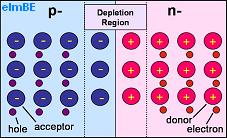
The Sietch Blog. Retrieved October, 2008, from www.blog.thesietch.org/wp-content/uploads/2007/06/solarcell.jpg Skinner, R., Moore, L., & Malczynski, L. (2002). A Rural Electric Co-op’s Experience with Photovoltaic Systems for Livestock Water Pumping
Solarbuzz. Photovoltaic industry statistics: Costs. Retrieved 1/10, 2009, from http://www.solarbuzz.com/statsCosts.htm
SolarHome.org. (2008). String-ribbon. Retrieved October, 2008, from http://www.solarhome.org/string-ribbon.html
The Solarserver. (2008). Photovoltaics. Retrieved October, 2008, from http://www.solarserver.de/wissen/photovoltaik-e.html
Tukiainen, M. (2009). Gaisma Retrieved October 15, 2008, from http://www.gaisma.com/en/location/worcester-massachusetts.html
U.S. Department of Energy. (2006). Polycrystalline Thin Film. Retrieved October, 2008, from http://www1.eere.energy.gov/solar/tf_polycrystalline.html Wailgum, J., Ledue, J., Chapman, J., & Al-Beik, H. (2003). Feasibility Study of a Solar Learning Lab at WPI. WPI Interlibrary Database: Worcester Polytechnic Institute. Woods, D. W. ISD Module: Quantitative Method in Economics. Wuashning, V. (2005). Understanding Renewable Energy Sources. London: Earthscan.
increasing by 50% per annum, but that the supply will outpace it at 80% growth per year. “This
increasing by 50% per annum, but that the supply will outpace it at 80% growth per year. “This should be putting some downward pressure on prices,” he says.48 There are many companies working hard to bring down the cost of solar energy, and continue a trend that has gone on for a long time. Some of the first solar panels cost nearly $1800 per watt, while today people are striving to break the barrier of $1.00 per watt. Below is a graph showing the cost of solar panel installations in Japan since 1993.
48 http://features.csmonitor.com/innovation/2008/06/05/brighter-future-for-solar-panels-silicon-shortage-eases/ 49 http://www.solarbuzz.com/statsCosts.htm
Figure 27: Graph showing the falling cost of PV installations in Japan. 49 Though the graph is in Yen per Watt, the trend is a worldwide trend. The cost of solar panel systems is falling. Though it is difficult to predict exactly when solar panels will reach these predicted levels, one would expect that it will not be a long wait.
Appendix J: Scale Model
In order to create a better visual representation of the roof space and the shading throughout the day, a model was constructed. Along with this model was an arced piece of thin copper tubing with a light socket mounted to it. The base of the copper was hinged so that a combination of moving the arc up and down along with sliding the light from side to side approximated the sun at different times of day and the different times of the year. In a dark room, the 67-watt bulb provided enough light to get a good imitation of the shade. To further the experiment, a small solar cell was connected to a small LED and could be moved around to demonstrate how well light was absorbed at different locations on the roof. An added benefit of the model was its use in presentation to the church. By using the model as a presentation aid, potential panel locations the members of the church had a better idea of what would happen if they were to have the panels installed. See pictures of the model on the next page.
photo.jpg
photo1.jpg
PICT0951Appendix K: Site Pictures
PICT0947PICT0957
PICT0958
Appendix L: Simplified Economic Spreadsheet
In order for the church to re-evaluate investing in a photovoltaic system in the future, we created a simplified version of our economic spreadsheet using assumptions from our project. The three primary variables in this spreadsheet have been reduced to the overall cost per watt of the system, the proposed system size, and whether or not the solar panel components are manufactured in Massachusetts. The overall cost per watt would be given as a quote from an installer. If the solar panels are manufactured in Massachusetts, the rebate offered by Commonwealth Solar increases. The assumptions portion of the spreadsheet lists the various systems, economic, and rebate assumptions that were made in order to calculate the overall feasibility of the system. These assumptions can also be changed to see what different assumptions have on the overall feasibility. One factor of particular interest is the income generated by renewable energy credits. Because at the time of the report the future of such credits was uncertain, this number may change. The calculations section of the spreadsheet lists the raw system cost, the amount realized from the Commonwealth Solar rebate, the system cost after rebates are applied, the amount of energy the system would produce in a given year, how much savings this energy generation would translate to, and the number of years before this investment breaks even. The other pages of the spreadsheet are used as tools to help calculate the energy that the system would generate, and the value of the system as an investment. Below is a sample of the spreadsheet with $8.00 per watt and a system size of 20kW.
Solar Feasibility Analysis for the Wesley United Methodist Church
Entry Section:
Overall System Cost Per Watt:
$8.00
dollars / Watt
System Size:
20000
Watts
Solar Panels Manufactured in Massachusetts:
NO
YES / NO
Assumptions:
System Assumptions:
System Life Expectancy:
25
years
Yearly Performance Degradation:
0.50%
%
Efficiency of Solar Panels:
15.00%
%
DC to AC derating factor:
79.49%
%
Economic Assumptions:
REC Revenue per Watt:
$0.00
dollars
REC Annual Cost Adjuster:
4.00%
%
Yearly Energy Consumption:
102000
kWh
Cost of Electricity:
$0.16
dollars
Electricity Cost Inflation:
0.60%
%
Overall Inflation:
3.29%
%
MTC Assumptions:
System Size:
0 to 25 kW
25 to 100 kW
Base Incentive:
$3.25
$3.00
MA Component Adder:
$0.25
$0.25
Incremental Capacity:
20000
0
Calculations:
Raw System Cost:
$160,000.00
dollars
Rebate Amount:
$65,000.00
dollars
System Cost:
$95,000.00
dollars
Yearly Energy Generation:
27248
kWh
First Year Energy Production Value:
$4,359.68
dollars
Break Even Year:
22
years
Appendix M: Informational Brochure
To create a simple way to showcase the work we have done and our results, we created a brochure, which can be seen below:
Appendix N: Survey
Below is a listing of the questions that made up the survey given to our presentation audience: Do you believe that investing in renewable energy is important? If so, Why? What kind of image do you think a solar panel installation would give Wesley United Methodist Church? Would you install a solar panel system if there was no economic incentive to do so? In other words, if installing a solar panel system would have only have environmental benefits, would you still consider installing one? Do you know of any specific solar panel installations in the area, either residential or commercial? Do you think that a solar panel installation on the Wesley United Methodist Church is something that should be perused now, sometime in the future, or not at all? What do you feel was the overall quality of this presentation?
48 http://features.csmonitor.com/innovation/2008/06/05/brighter-future-for-solar-panels-silicon-shortage-eases/ 49 http://www.solarbuzz.com/statsCosts.htm
Figure 27: Graph showing the falling cost of PV installations in Japan. 49 Though the graph is in Yen per Watt, the trend is a worldwide trend. The cost of solar panel systems is falling. Though it is difficult to predict exactly when solar panels will reach these predicted levels, one would expect that it will not be a long wait.
Appendix J: Scale Model
In order to create a better visual representation of the roof space and the shading throughout the day, a model was constructed. Along with this model was an arced piece of thin copper tubing with a light socket mounted to it. The base of the copper was hinged so that a combination of moving the arc up and down along with sliding the light from side to side approximated the sun at different times of day and the different times of the year. In a dark room, the 67-watt bulb provided enough light to get a good imitation of the shade. To further the experiment, a small solar cell was connected to a small LED and could be moved around to demonstrate how well light was absorbed at different locations on the roof. An added benefit of the model was its use in presentation to the church. By using the model as a presentation aid, potential panel locations the members of the church had a better idea of what would happen if they were to have the panels installed. See pictures of the model on the next page.
photo.jpg
photo1.jpg
PICT0951Appendix K: Site Pictures
PICT0947PICT0957
PICT0958
Appendix L: Simplified Economic Spreadsheet
In order for the church to re-evaluate investing in a photovoltaic system in the future, we created a simplified version of our economic spreadsheet using assumptions from our project. The three primary variables in this spreadsheet have been reduced to the overall cost per watt of the system, the proposed system size, and whether or not the solar panel components are manufactured in Massachusetts. The overall cost per watt would be given as a quote from an installer. If the solar panels are manufactured in Massachusetts, the rebate offered by Commonwealth Solar increases. The assumptions portion of the spreadsheet lists the various systems, economic, and rebate assumptions that were made in order to calculate the overall feasibility of the system. These assumptions can also be changed to see what different assumptions have on the overall feasibility. One factor of particular interest is the income generated by renewable energy credits. Because at the time of the report the future of such credits was uncertain, this number may change. The calculations section of the spreadsheet lists the raw system cost, the amount realized from the Commonwealth Solar rebate, the system cost after rebates are applied, the amount of energy the system would produce in a given year, how much savings this energy generation would translate to, and the number of years before this investment breaks even. The other pages of the spreadsheet are used as tools to help calculate the energy that the system would generate, and the value of the system as an investment. Below is a sample of the spreadsheet with $8.00 per watt and a system size of 20kW.
Solar Feasibility Analysis for the Wesley United Methodist Church
Entry Section:
Overall System Cost Per Watt:
$8.00
dollars / Watt
System Size:
20000
Watts
Solar Panels Manufactured in Massachusetts:
NO
YES / NO
Assumptions:
System Assumptions:
System Life Expectancy:
25
years
Yearly Performance Degradation:
0.50%
%
Efficiency of Solar Panels:
15.00%
%
DC to AC derating factor:
79.49%
%
Economic Assumptions:
REC Revenue per Watt:
$0.00
dollars
REC Annual Cost Adjuster:
4.00%
%
Yearly Energy Consumption:
102000
kWh
Cost of Electricity:
$0.16
dollars
Electricity Cost Inflation:
0.60%
%
Overall Inflation:
3.29%
%
MTC Assumptions:
System Size:
0 to 25 kW
25 to 100 kW
Base Incentive:
$3.25
$3.00
MA Component Adder:
$0.25
$0.25
Incremental Capacity:
20000
0
Calculations:
Raw System Cost:
$160,000.00
dollars
Rebate Amount:
$65,000.00
dollars
System Cost:
$95,000.00
dollars
Yearly Energy Generation:
27248
kWh
First Year Energy Production Value:
$4,359.68
dollars
Break Even Year:
22
years
Appendix M: Informational Brochure
To create a simple way to showcase the work we have done and our results, we created a brochure, which can be seen below:
Appendix N: Survey
Below is a listing of the questions that made up the survey given to our presentation audience: Do you believe that investing in renewable energy is important? If so, Why? What kind of image do you think a solar panel installation would give Wesley United Methodist Church? Would you install a solar panel system if there was no economic incentive to do so? In other words, if installing a solar panel system would have only have environmental benefits, would you still consider installing one? Do you know of any specific solar panel installations in the area, either residential or commercial? Do you think that a solar panel installation on the Wesley United Methodist Church is something that should be perused now, sometime in the future, or not at all? What do you feel was the overall quality of this presentation?
এতে সদস্যতা:
পোস্টগুলি (Atom)